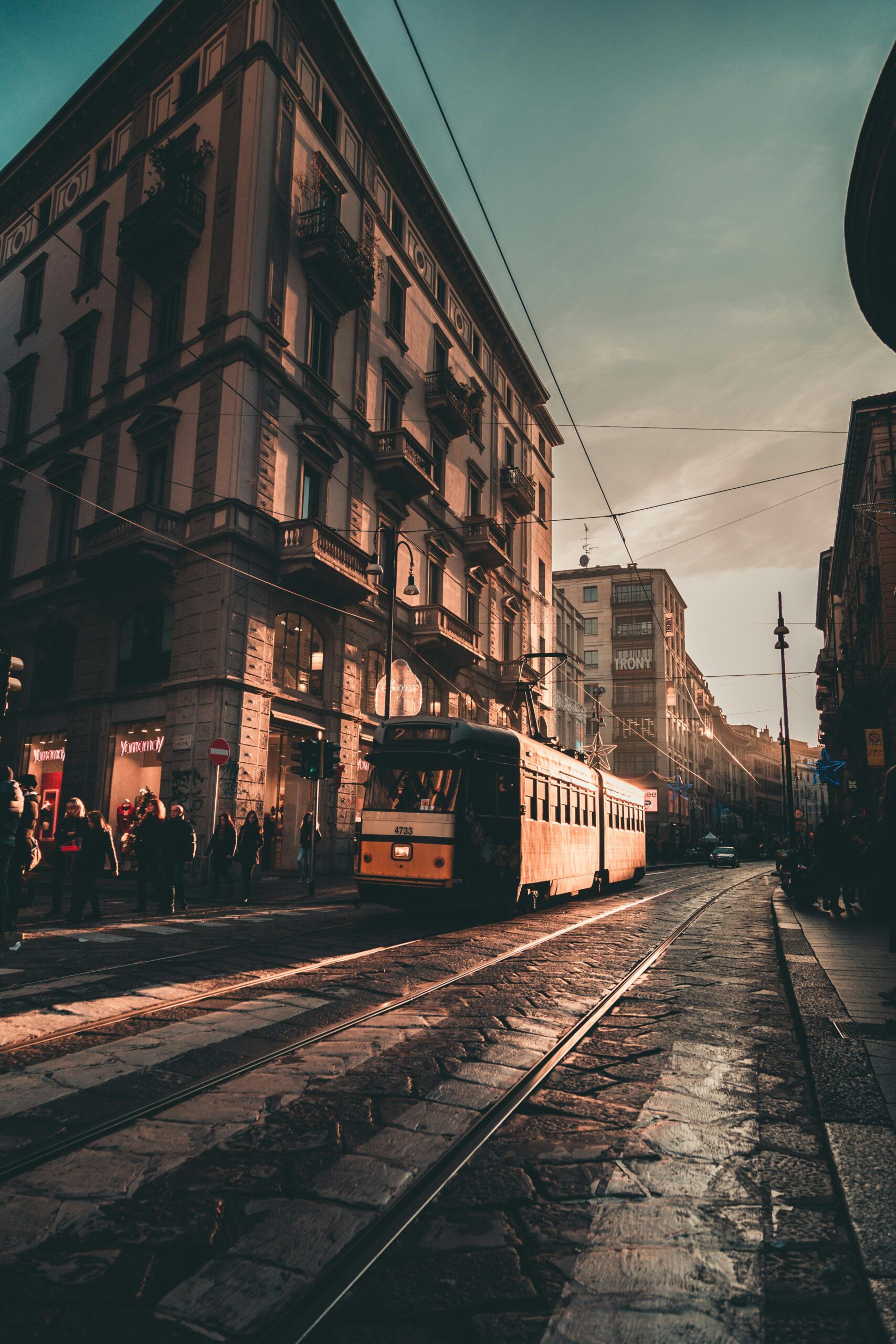
Life in Rome is a study in contrast—ancient ruins beside buzzing cafés, cobbled streets meeting modern transit lines. For residents and long-term visitors alike, understanding public transport is essential to experiencing the rhythm of contemporary Roman living.
At the heart of the system is ATAC, which operates buses, trams, and the metro. While the network may not rival the scale of larger European capitals, it offers comprehensive coverage across the city. The metro, with its three lines—A, B, and C—connects key districts efficiently, linking residential neighbourhoods with commercial and cultural hubs. Though limited in scope due to the city’s archaeological layers, it remains the fastest way to travel longer distances.
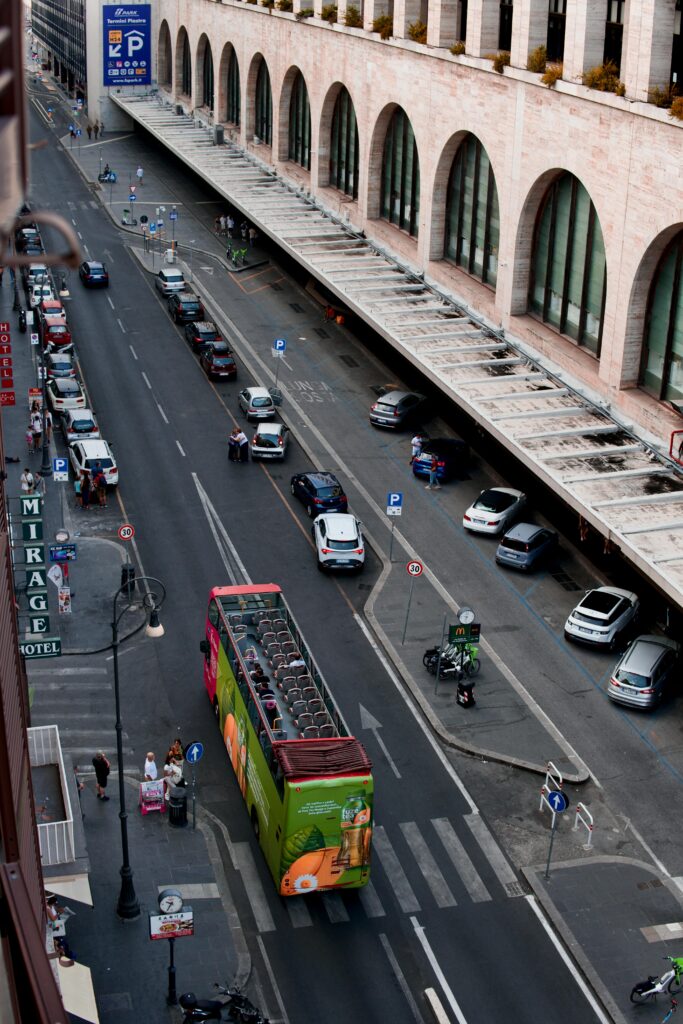
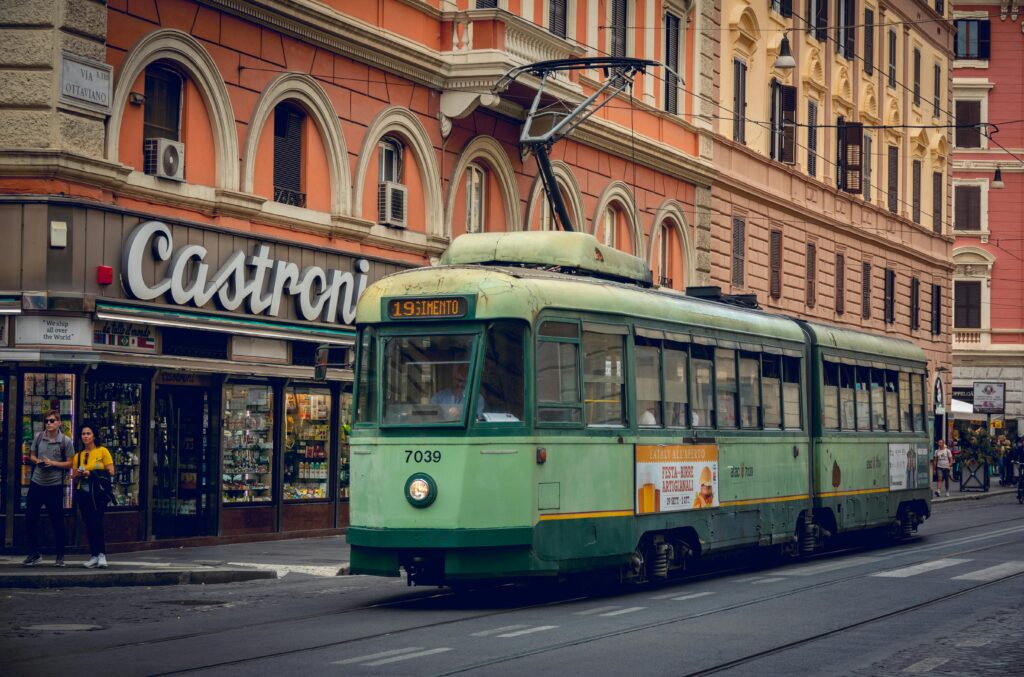
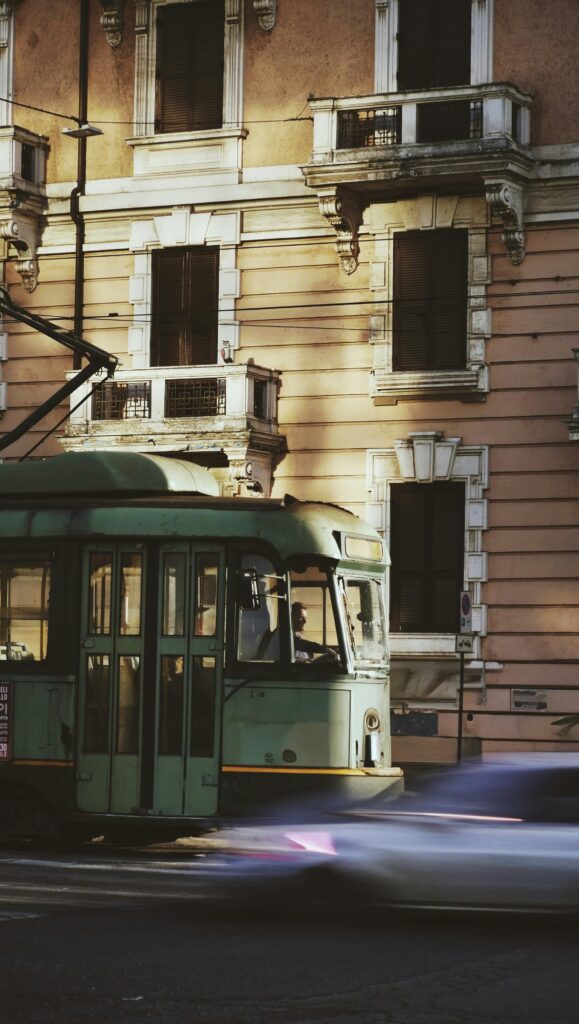
Buses form the backbone of daily commuting in Rome. They reach areas untouched by the metro and run frequently, albeit with a reputation for unpredictability during peak hours. Trams, fewer in number, provide a smoother and often more scenic journey through select corridors of the city. For many Romans, a combination of these modes defines the daily commute.
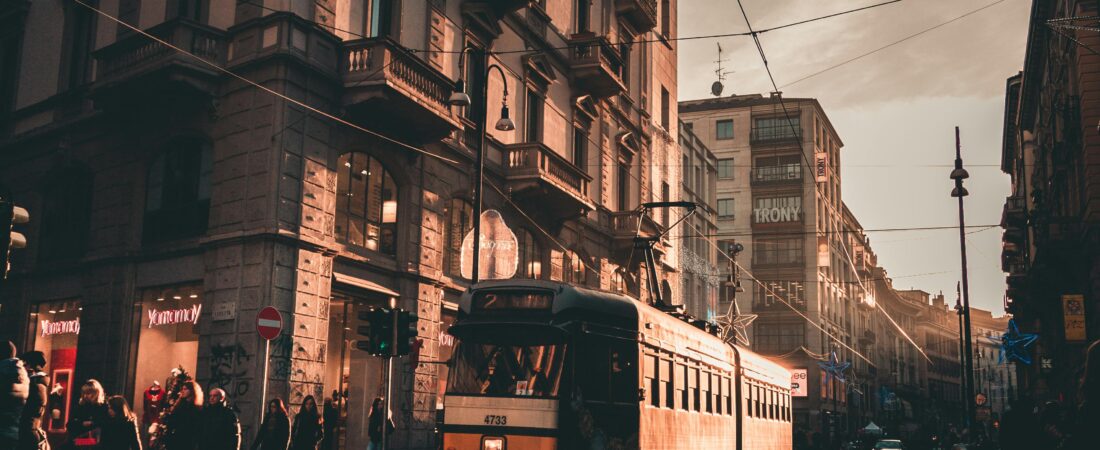
City living here demands a certain flexibility. Traffic congestion is a well-known challenge, and public transport schedules can be fluid. Yet this unpredictability is woven into the lifestyle. Mornings often begin with a quick espresso at a neighbourhood bar before boarding a bus, while evenings might involve a leisurely tram ride past softly lit piazzas.
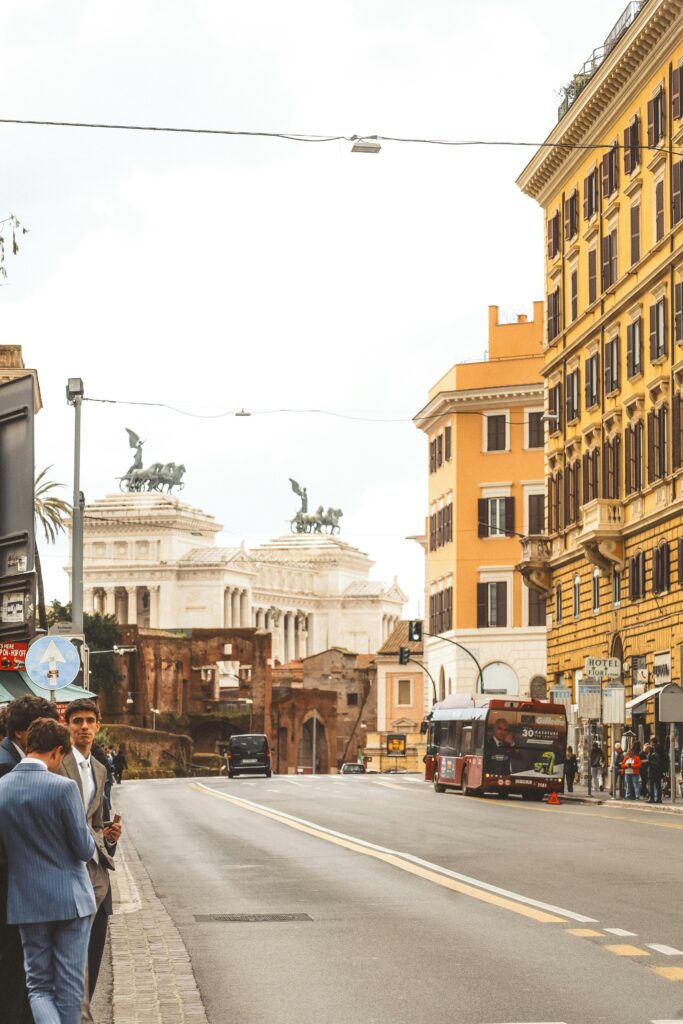
Beyond the mechanics of getting around, Rome’s public transport reflects the city’s unique pace of life. It’s less about strict schedules and more about adaptability. Locals build flexibility into their routines, allowing extra time and relying on a mix of transport options to move efficiently through the city.
Seasonality also plays a role. In peak summer months, increased tourism can make buses and metro lines more crowded, especially near major landmarks. Many residents adjust by travelling earlier in the day or choosing less congested routes. In quieter seasons, commuting becomes noticeably more relaxed, offering a smoother daily rhythm.

Digital tools have improved the experience significantly. Mobile apps, contactless payments, and real-time tracking now help users navigate delays and plan journeys with greater confidence. These upgrades bring a modern edge to a system rooted in history.
Where you live in Rome often shapes how you travel. Neighbourhoods along metro lines offer faster, more direct access to the city centre, while bus-dependent areas tend to be quieter and more residential. As a result, transport links are a key factor in lifestyle and housing decisions.
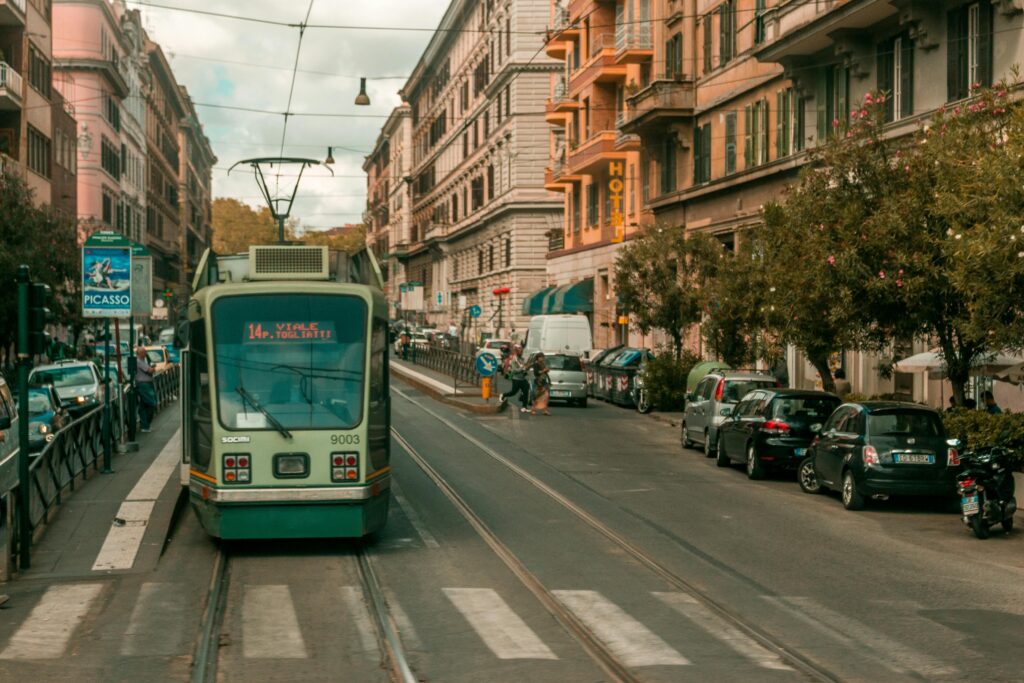
Walking remains essential to city living in Rome. Many journeys naturally combine public transport with time on foot, allowing residents to experience the city’s streets, architecture, and atmosphere up close.
Ultimately, public transport in Rome is more than infrastructure—it’s part of the city’s identity. While not always predictable, it supports a lifestyle that values flexibility, local rhythm, and everyday discovery.