Introduction
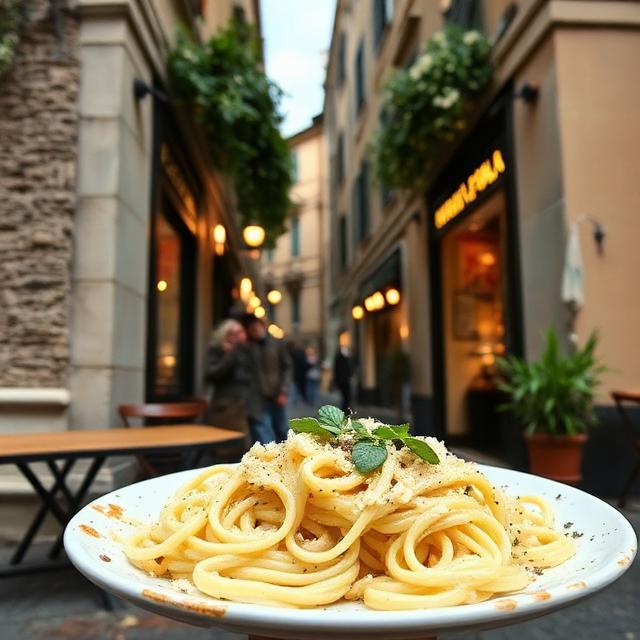
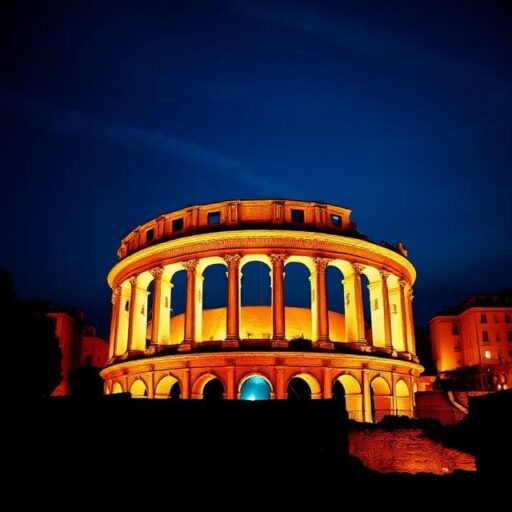
In a city known for landmarks like the Colosseum and the global influence of Vatican City, food plays an equally defining role in daily life. Among Rome’s most recognisable dishes, cacio e pepe stands out—not because it is complex, but because it reflects the history, habits, and identity of the city itself.
The Origins: A Dish Built for Survival
Cacio e pepe traces back to shepherds in the countryside surrounding Rome. These workers needed meals made from ingredients that were easy to carry and slow to spoil.
- Dried pasta for sustenance
- Aged Pecorino Romano for flavour and longevity
- Black pepper for warmth and preservation
This combination wasn’t created for restaurants or prestige—it was practical. That practicality is still embedded in the dish today.
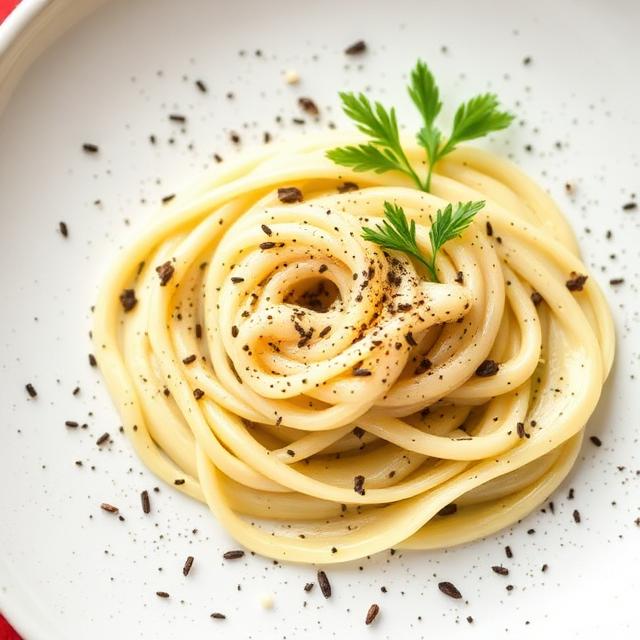
Why It Defines Roman Cuisine
To understand Roman Cuisine, you have to understand restraint. Roman cooking often relies on a small number of ingredients, used with precision.Cacio e pepe reflects this philosophy:No unnecessary additionsStrong, bold flavoursTechnique over complexityIt’s a dish that rewards experience rather than excess, which mirrors the broader culinary culture of Rome.
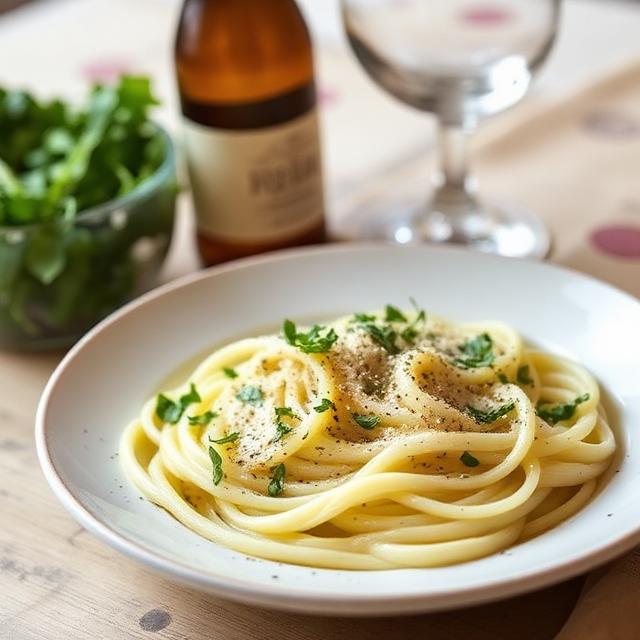
From Rural Meal to City Staple
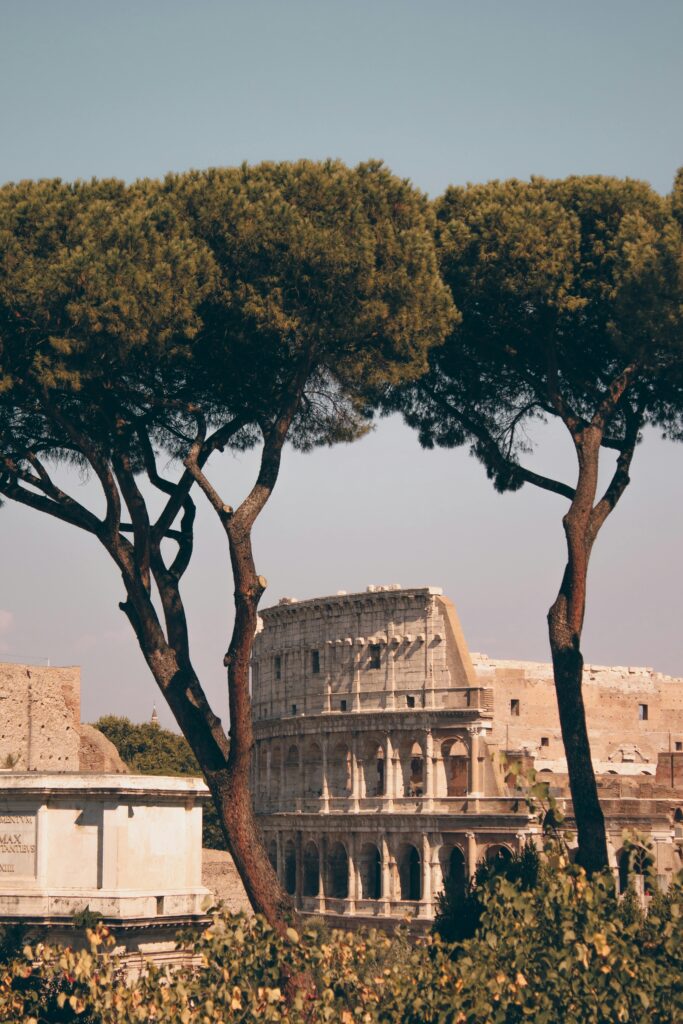
Over time, cacio e pepe moved from rural fields into the heart of the city. Today, it’s served everywhere—from traditional trattorias to modern restaurants across Rome.Its rise comes down to three things:
- Consistency – the ingredients are always available.
- Identity – it’s distinctly Roman.
- Experience – it connects locals and visitors to tradition.
For many Romans, it’s not just a dish—it’s a reference point for what authentic food should taste like.
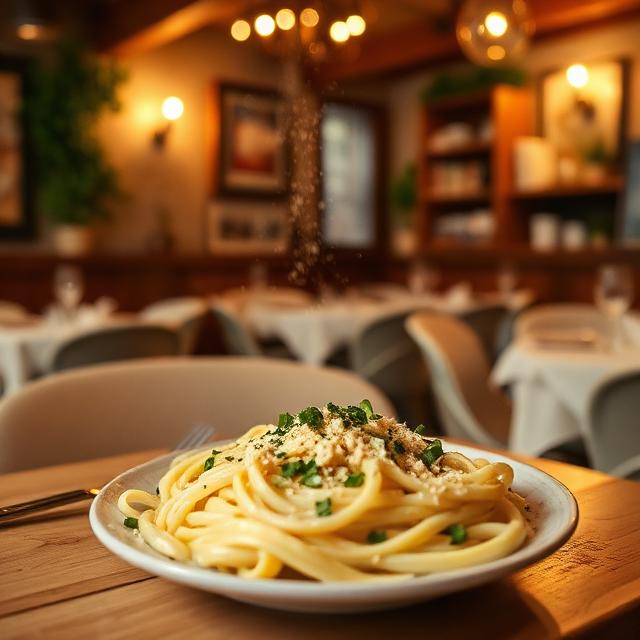
How Locals Actually Eat It
Cacio e pepe isn’t treated as a showpiece. In Rome, it’s part of everyday eating habits.
- Typically served as a primo (first course).
- Eaten during lunch or dinner, rarely as a takeaway.
- Paired with simple sides rather than elaborate combinations.
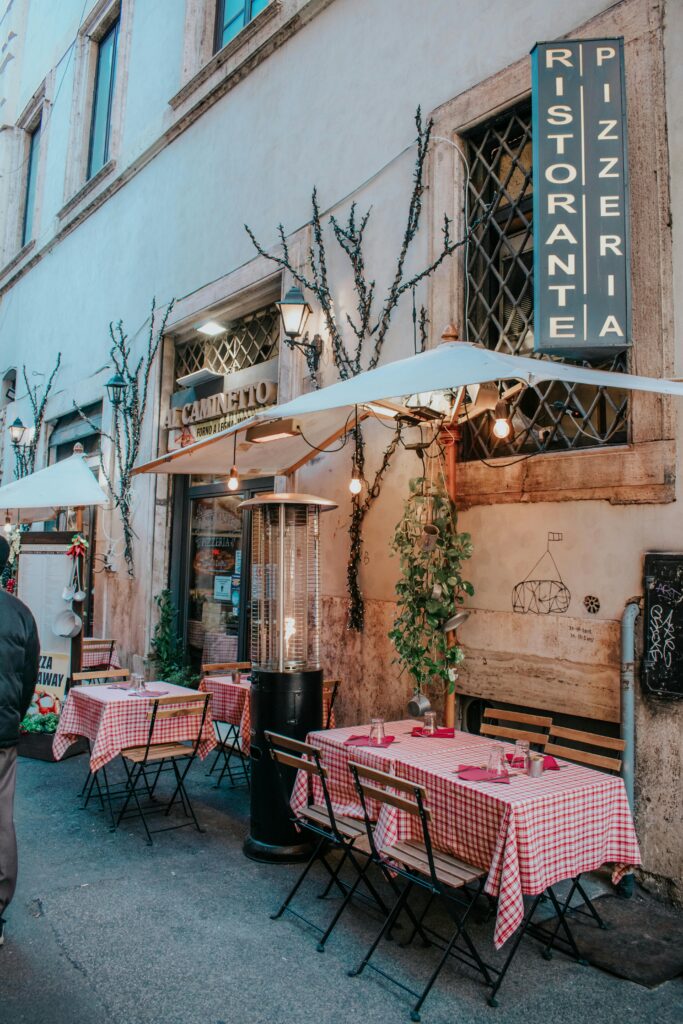
Near busy areas like the Colosseum, you’ll find countless versions—but locals often gravitate toward neighbourhood spots where consistency matters more than presentation.
The Technique Behind the Reputation
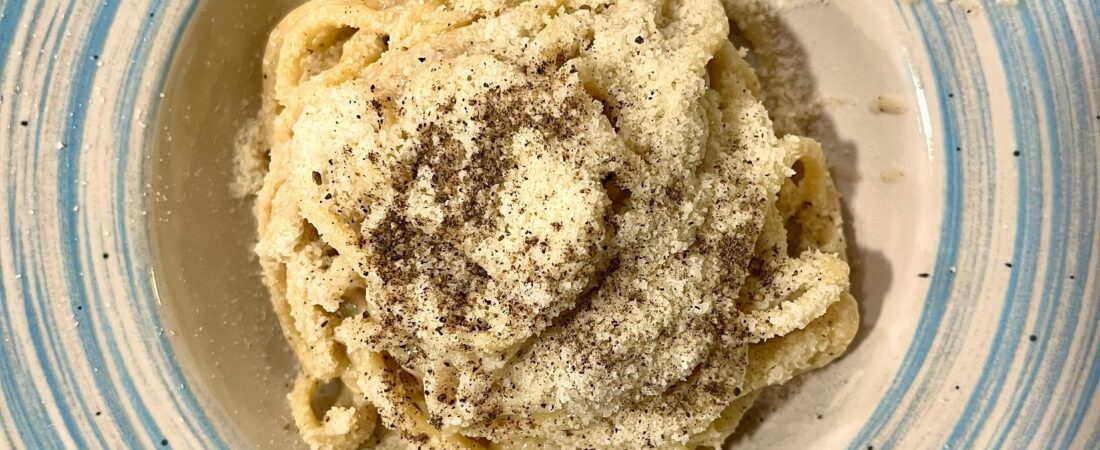
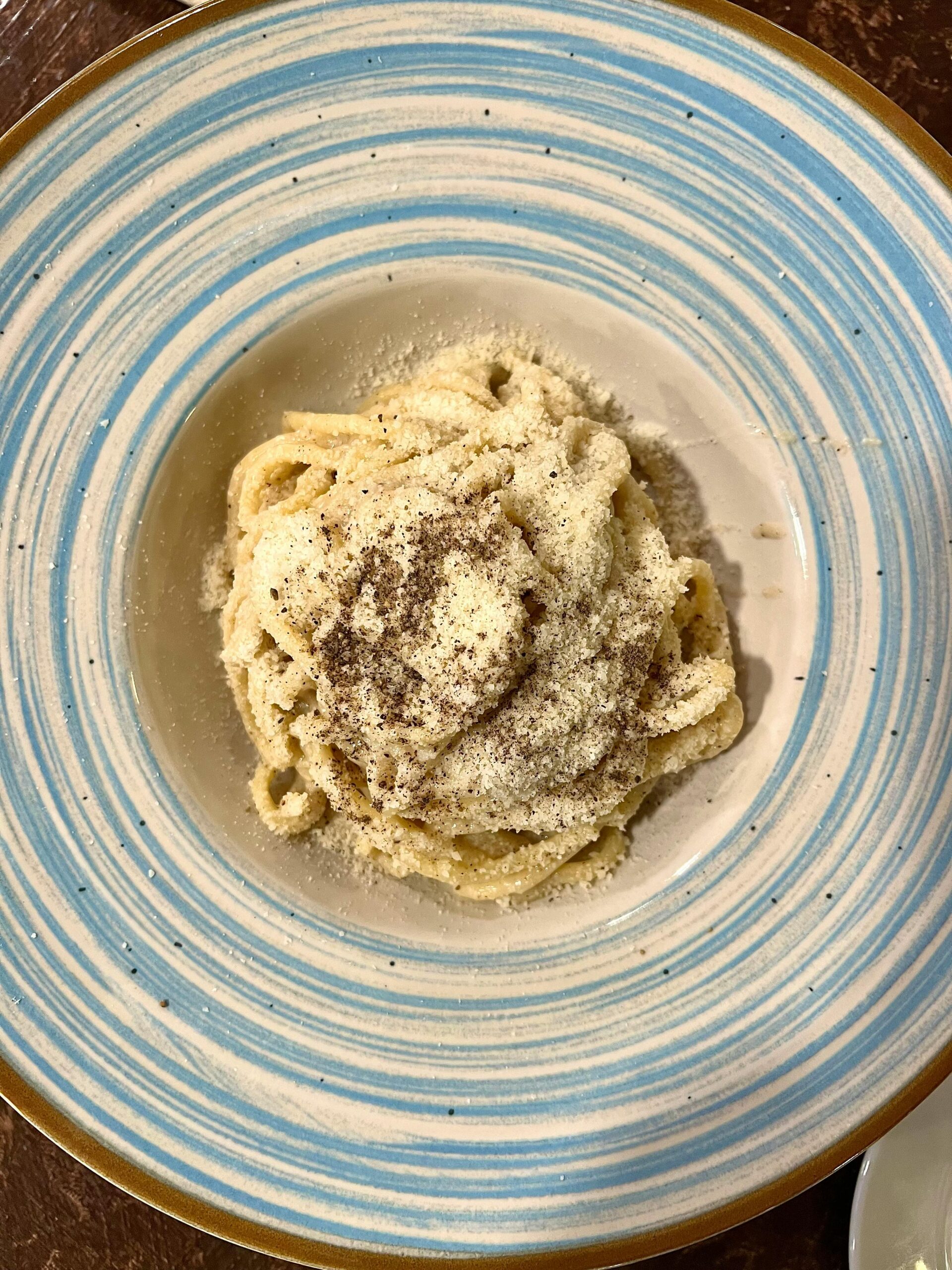
What makes cacio e pepe stand out isn’t the ingredient list—it’s execution. The goal is to create a smooth sauce using cheese, pepper, and pasta water. Done correctly, the result is creamy without added fats. Done poorly, it becomes clumpy or dry. This technical balance is why the dish is often seen as a benchmark in Roman kitchens. It looks straightforward, but it reveals skill instantly.
Why Visitors Remember It
At first glance, it seems almost too simple to stand out—just pasta, pecorino cheese, and black pepper. Yet this understated dish captures something many visitors don’t expect: that Rome’s appeal isn’t only found in its famous architecture, but also on its plates. Tourists may arrive eager to see ancient landmarks and grand piazzas, but they quickly discover that the city’s food is also memorable. In a bowl of cacio e pepe, they find a different kind of artistry—one that’s tasted rather than seen.