Few landmarks capture the imagination quite like the Colosseum. Often reduced to a symbol of brutal gladiator combat, this iconic structure was far more complex—an architectural marvel, a political tool, and a reflection of Roman society at its peak. To understand its true significance, you need to look beyond the arena floor.
A Monument to Imperial Power
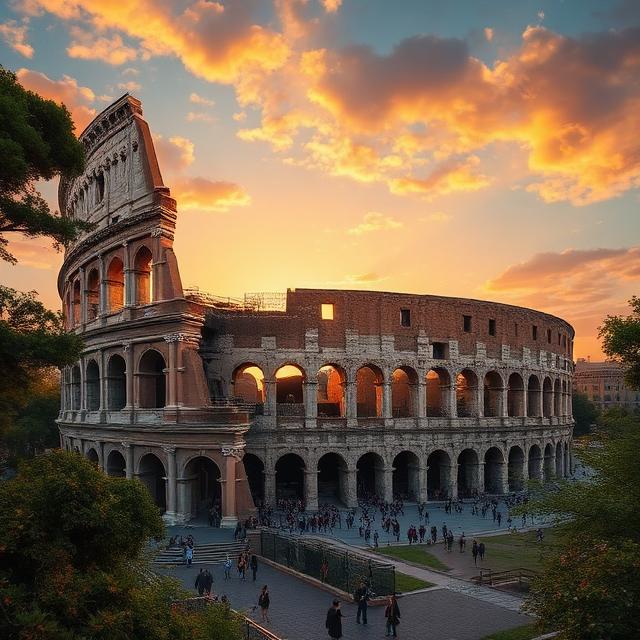
The Colosseum—originally known as the Flavian Amphitheatre—was commissioned by Emperor Vespasian around AD 70 and completed under his son Titus in AD 80. Its construction came shortly after the chaotic “Year of the Four Emperors,” and it was no coincidence: the amphitheatre was a deliberate statement of stability and renewed strength.
Built on the site of Nero’s private lake, the Colosseum symbolized a return of land to the public. Where Nero had indulged in luxury, the Flavian emperors offered entertainment for the masses—a powerful political gesture designed to win public support.
Engineering on an Unprecedented Scale
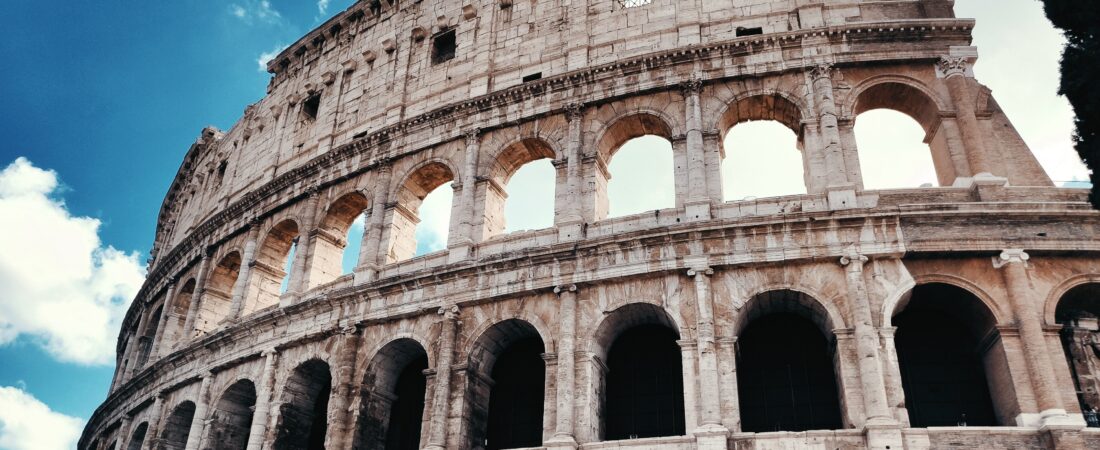
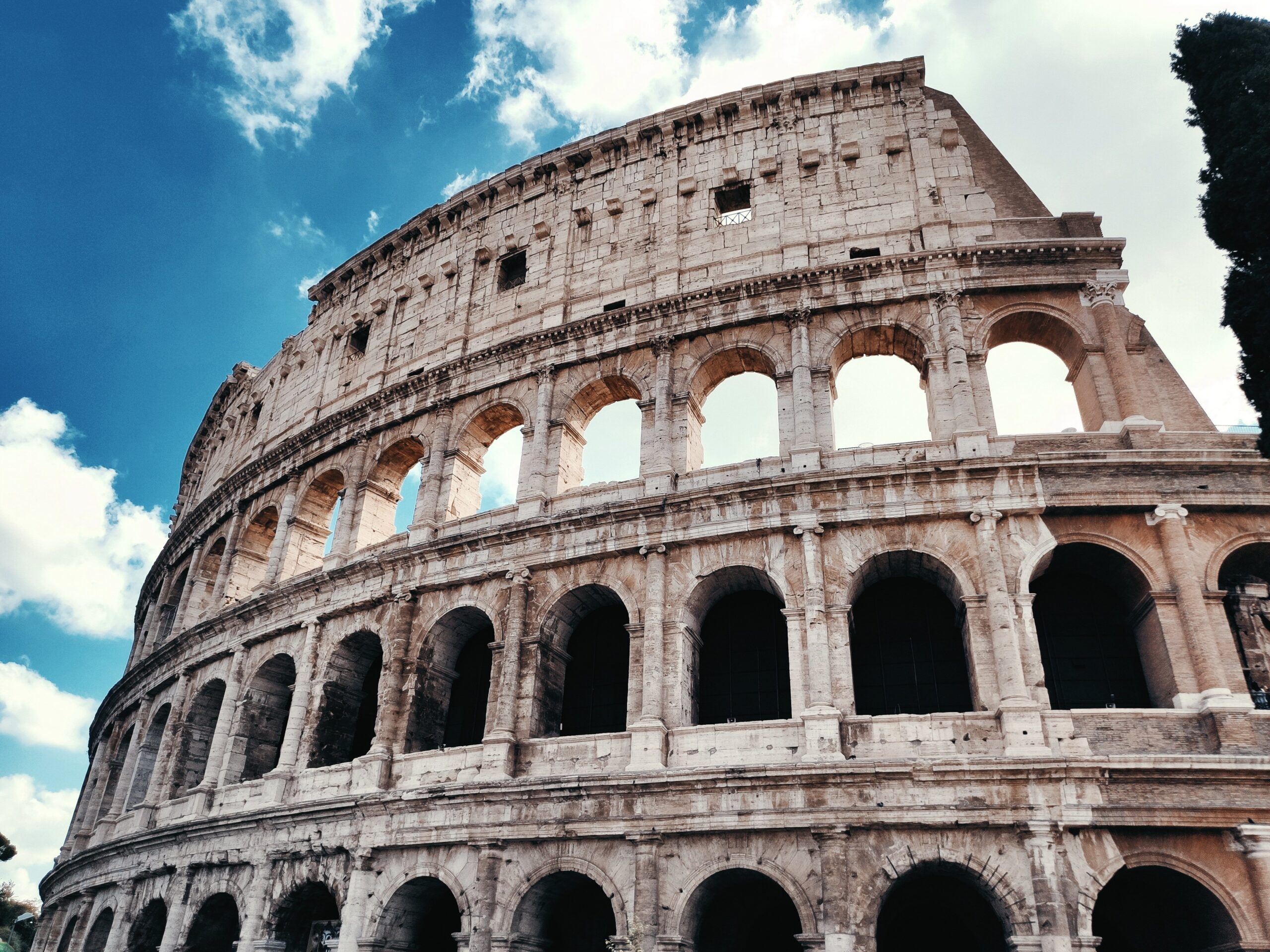
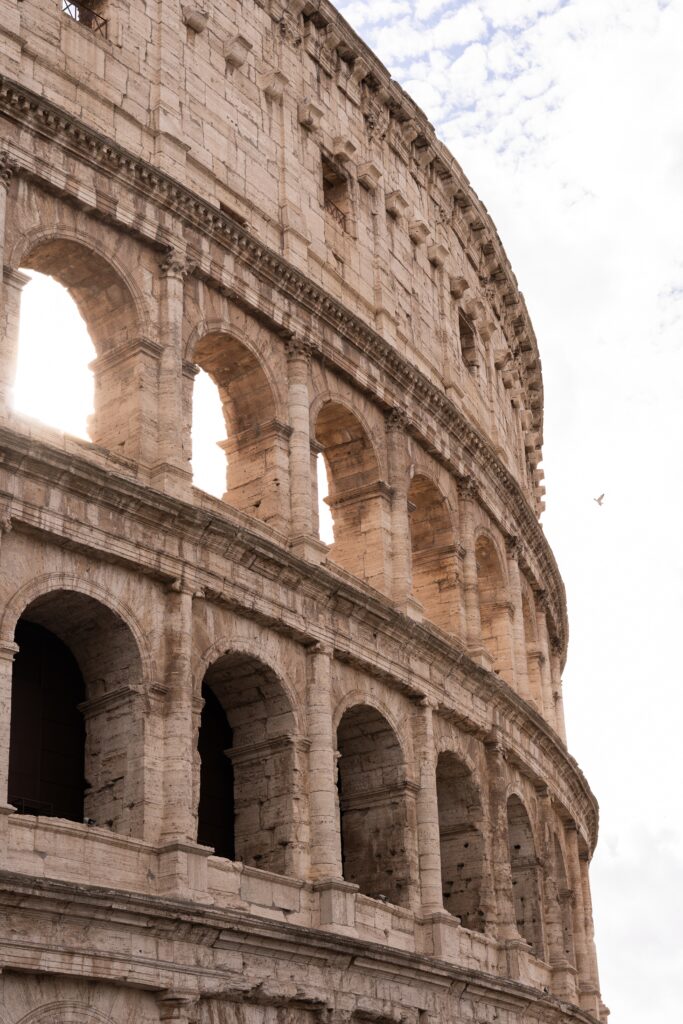
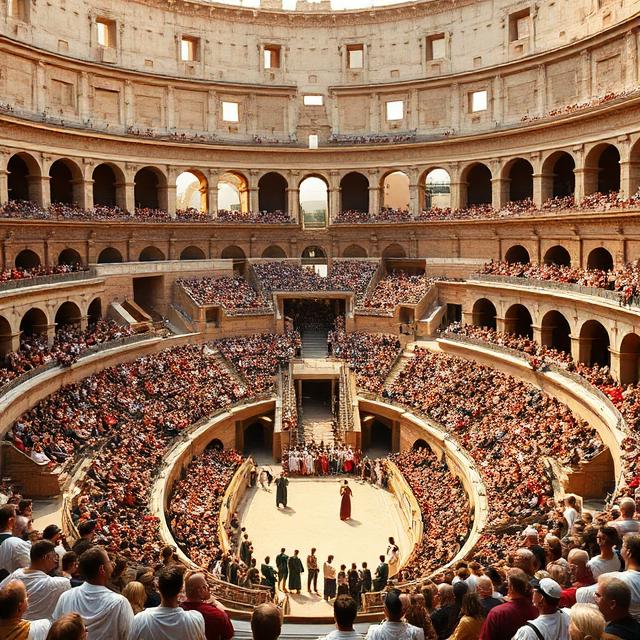
The Colosseum remains one of the greatest engineering achievements of the ancient world. Standing around 48 meters tall and capable of holding an estimated 50,000–65,000 spectators, it was designed for both scale and efficiency.
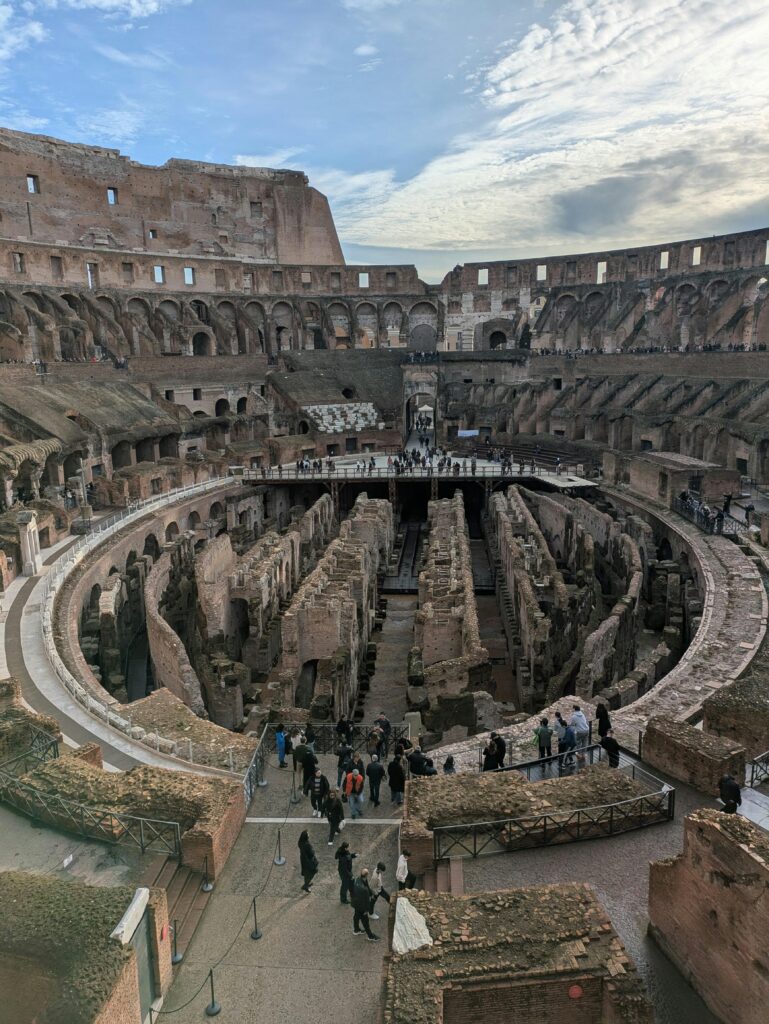
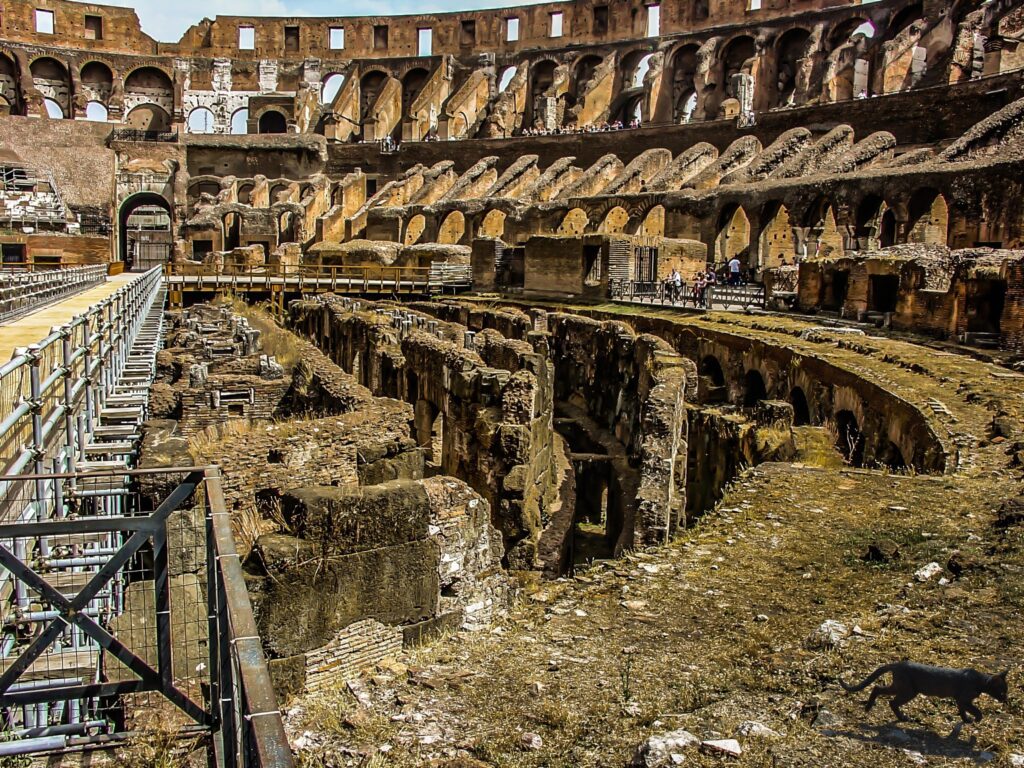
Its structure used a combination of concrete, travertine stone, and a complex system of arches and vaults. Beneath the arena lay the hypogeum, an intricate network of tunnels and chambers where animals and performers were prepared before being lifted into the arena via mechanical platforms.
The design also included a retractable awning system known as the velarium, which shielded spectators from the sun—evidence of how seriously the Romans took audience comfort
Spectacle Beyond Gladiators
Gladiatorial combat was only one part of the Colosseum’s function. The games held here—known as munera—were elaborate public spectacles that could last for days.
Events included:
- Animal hunts (venationes), featuring exotic creatures like lions and elephants.
- Public executions, often staged as mythological reenactments.
- Mock naval battles (in the early years, before the hypogeum was fully developed)
These events were not random acts of violence but carefully orchestrated performances. They reinforced social hierarchy, demonstrated Rome’s dominance over nature and foreign lands, and showcased the emperor’s generosity.
Politics in the Arena
The Colosseum was as much about politics as it was about entertainment. Emperors used games to gain favor with the public, offering free entry and distributing food. This practice aligned with the broader strategy often summarized as “bread and circuses”—keeping the population content through spectacle and provision.
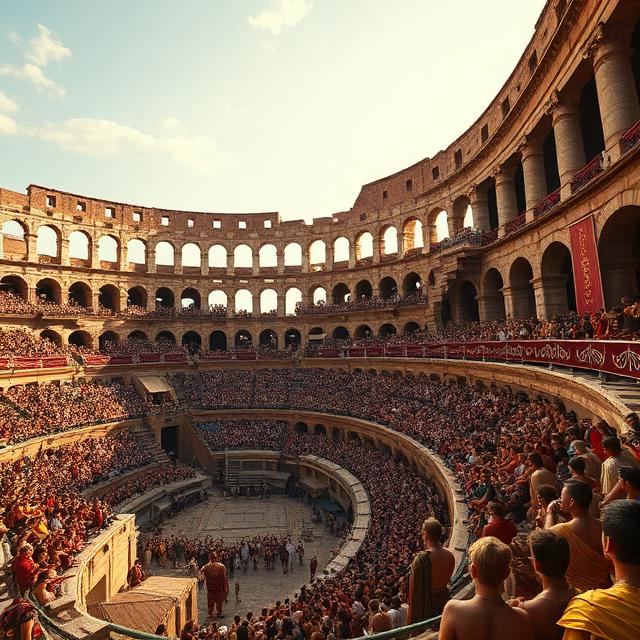
Seating arrangements reflected strict social divisions. Senators sat closest to the arena, while women and the lower classes were relegated to higher tiers. The amphitheatre physically embodied the structure of Roman society.
Decline and Transformation
The Colosseum remained in use for centuries, but its role gradually diminished after the Fall of the Western Roman Empire. Natural disasters, including earthquakes, caused significant damage, and the structure was eventually repurposed.
During the medieval period, it served as a fortress, a quarry for building materials, and even a Christian shrine. Stones from the Colosseum were used in the construction of other Roman buildings, contributing to its partial ruin.
What the Colosseum Means Today
Today, the Colosseum stands not just as a relic of ancient entertainment but as a symbol of Rome’s enduring legacy. It reflects the complexity of Roman civilization—its engineering brilliance, its social structure, and its appetite for spectacle.
Modern visitors often arrive expecting tales of gladiators. They leave with something more nuanced: an understanding of how architecture, politics, and culture intersected in one of history’s most powerful empires.
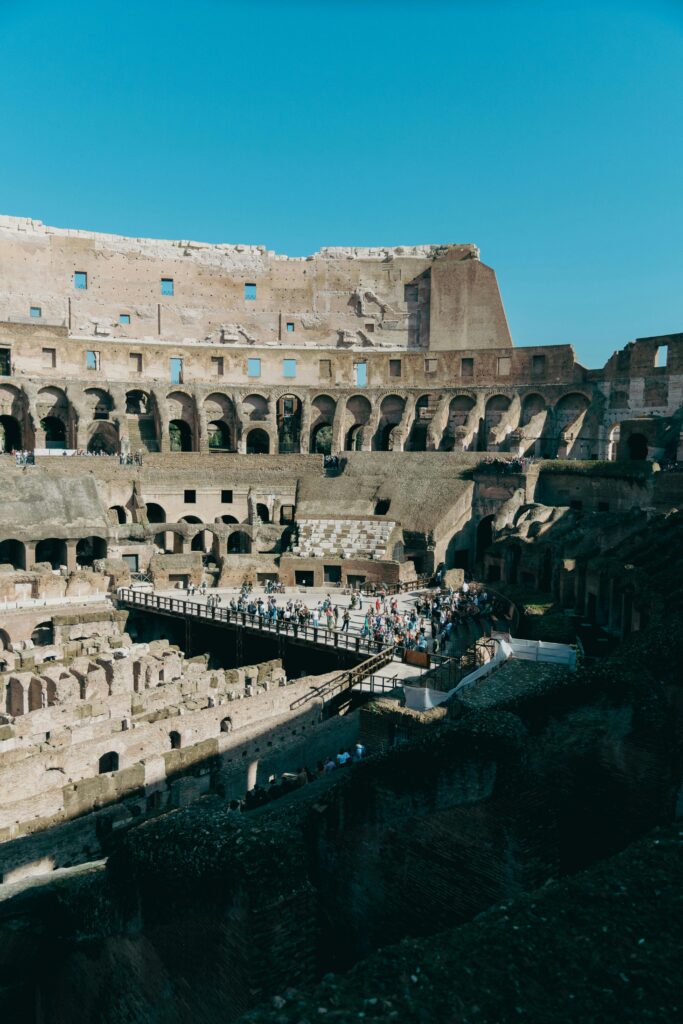
The Colosseum functioned as a carefully managed public space where Rome displayed its social order, political authority, and capacity for large-scale organisation. That combination of engineering, spectacle, and control helps explain why it still draws attention nearly two thousand years later.