Exploring Rome on foot is one of the best ways to experience its artistic and historical richness. A walking tour of Baroque Rome connects some of the city’s most iconic squares, fountains, and churches, shaped during the 17th-century Baroque period.
This itinerary is idealised for walking convenience, meaning it is designed as a smooth route for visitors. In reality, you may adjust it based on crowds, weather, heat, personal pace, or small detours along the way.
What Is Baroque Rome?
Baroque Rome refers to the period when art and architecture became dramatic, emotional, and highly detailed. Artists like Gian Lorenzo Bernini and Francesco Borromini transformed the city into a theatrical open-air museum of movement and grandeur.
While this route focuses on Baroque highlights, it also includes nearby historic landmarks that help tell the broader story of the city.
Starting Point: Piazza del Popolo
Begin at Piazza del Popolo, a grand northern gateway into the historic centre. The symmetry and scale of the square set the tone for the journey ahead.From here, walk down Via del Corso toward the heart of the city.
Stop 1: Spanish Steps
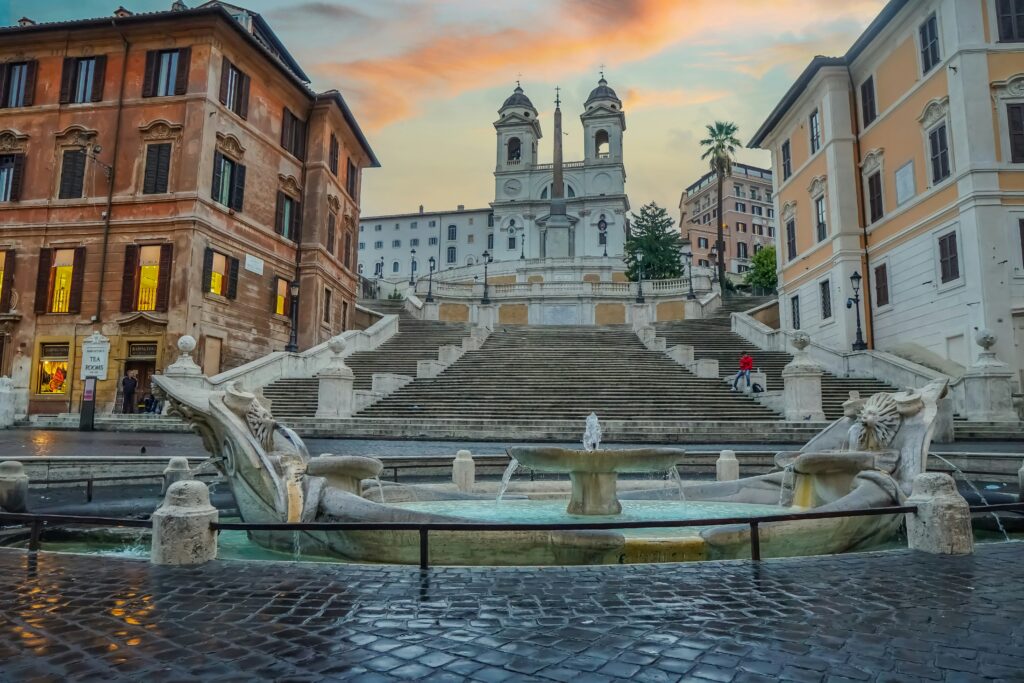
The Spanish Steps are one of the city’s most famous landmarks, connecting Piazza di Spagna with Trinità dei Monti above. Early morning is best to avoid crowds. The top offers a great panoramic view
Stop 2: Trevi Fountain
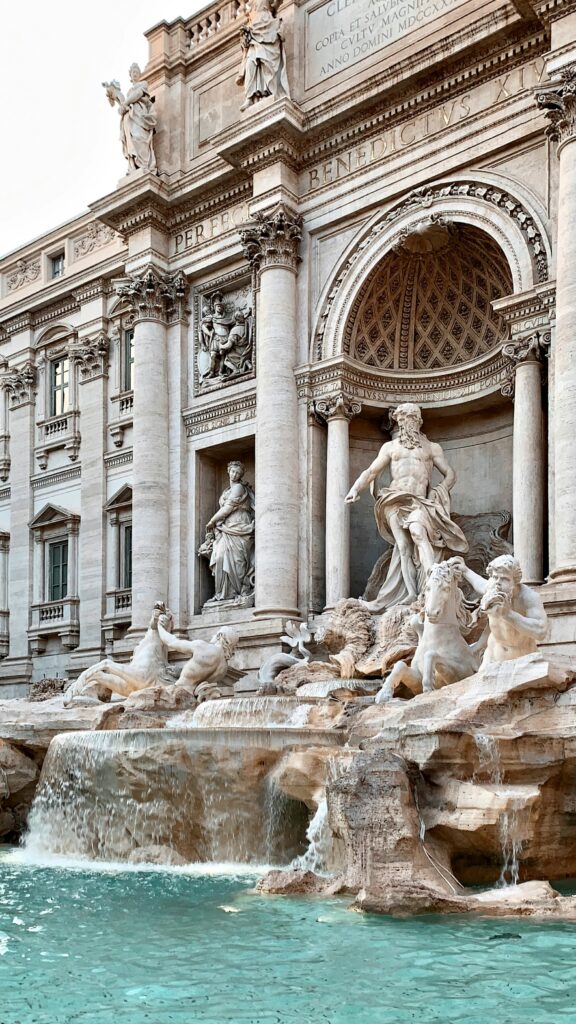
The Trevi Fountain is one of the most iconic Baroque masterpieces in the world. Its dramatic sculpture and flowing water give a sense of movement and spectacle. The crowds are usually smaller early in the morning or late at night.
Stop 3: Pantheon
The Pantheon is included in many walking tours of Baroque Rome even though it is not Baroque because it’s located right in the historic centre, between major Baroque landmarks like the Trevi Fountain and Piazza Navona.
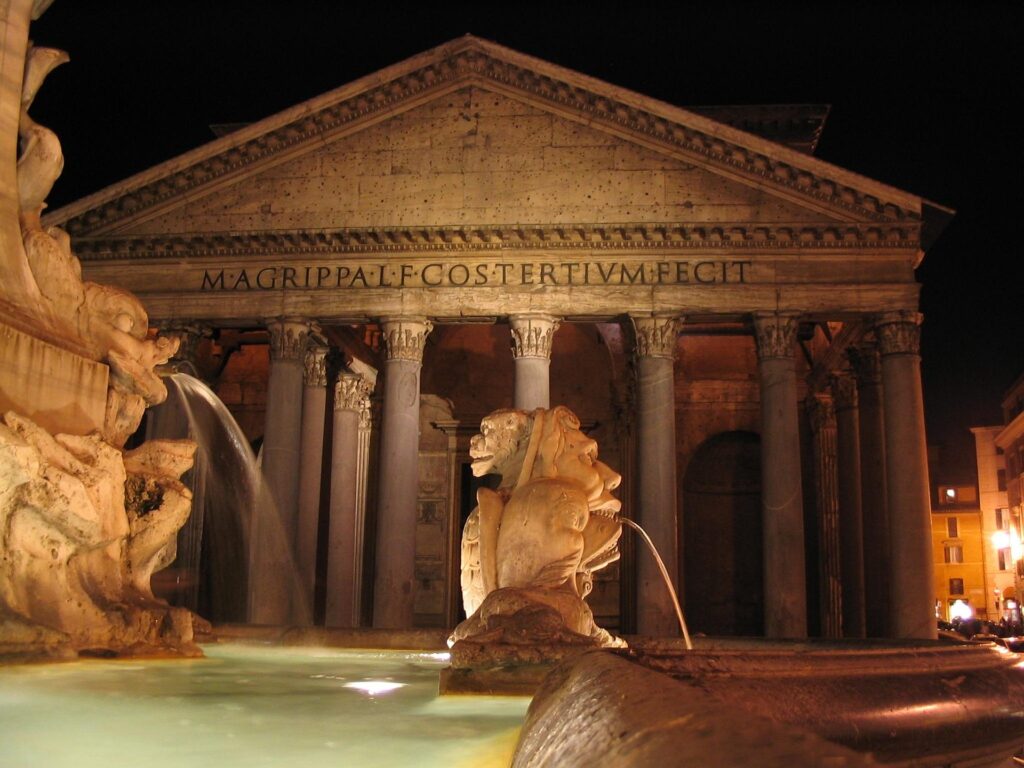
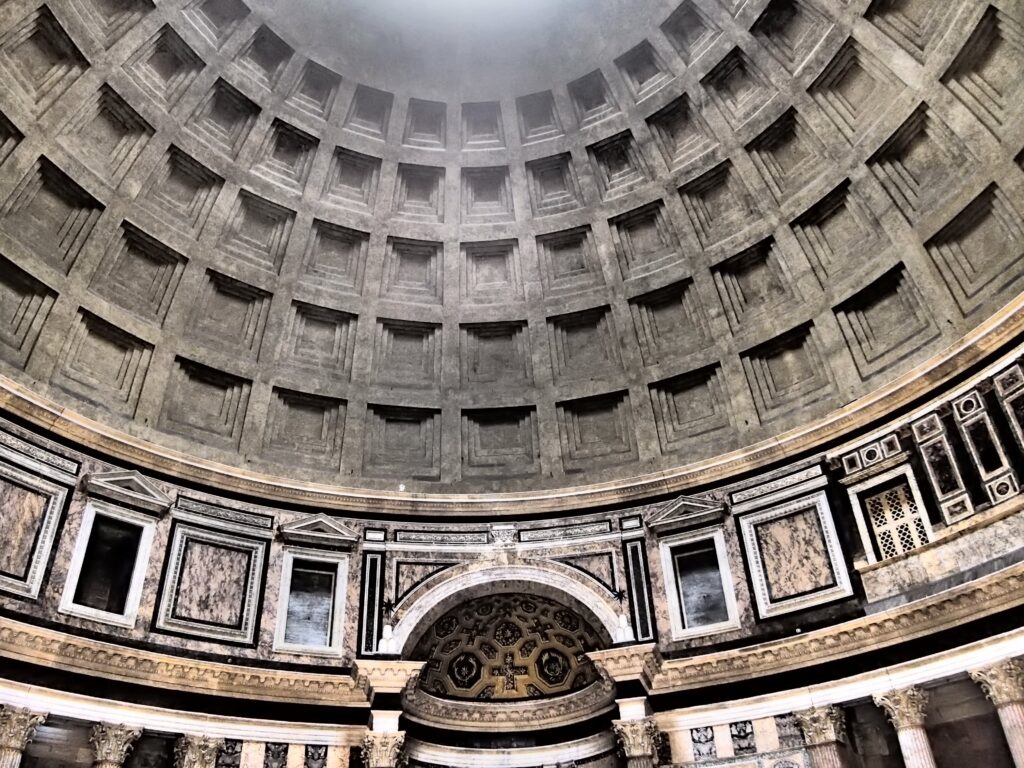
The Pantheon from the inside
The Pantheon is an ancient Roman temple later converted into a church. As explained it’s not Baroque in origin, but it’s included in this route because it sits within the historic centre and complements the surrounding Baroque architecture.
Its massive dome and central oculus make it one of the most impressive structures in the city.
Stop 4: Piazza Navona
The Piazza Navona is one of the finest examples of Baroque urban design. Built on the site of an ancient stadium, it is now a lively square filled with fountains, artists, and cafés.
Highlights include:
- Fountain of the Four Rivers by Bernini
- Church of Sant’Agnese in Agone by Borromini
- Elegant surrounding palaces
This is a great place to pause for a coffee or gelato—these breaks are suggested rather than fixed parts of the itinerary, allowing flexibility in how you experience the route.
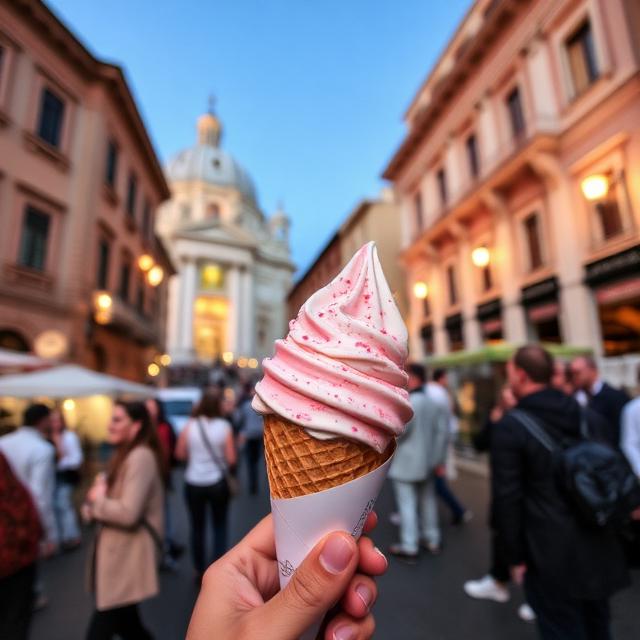
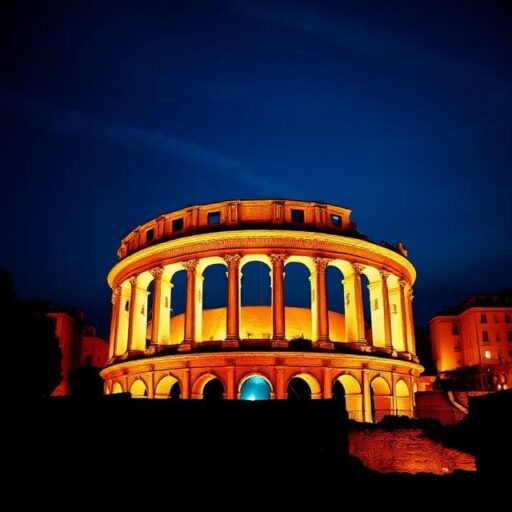
AI generated image, illustrative purposes
Stop 5: Sant’Ignazio di Loyola Church
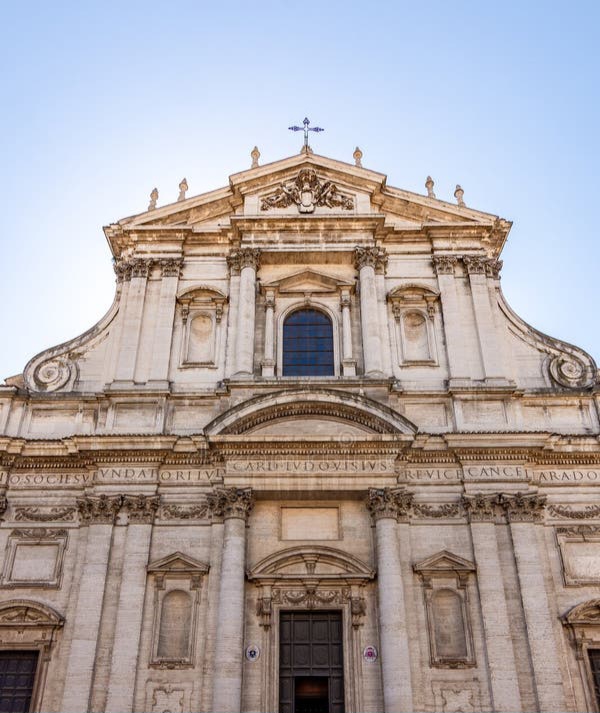
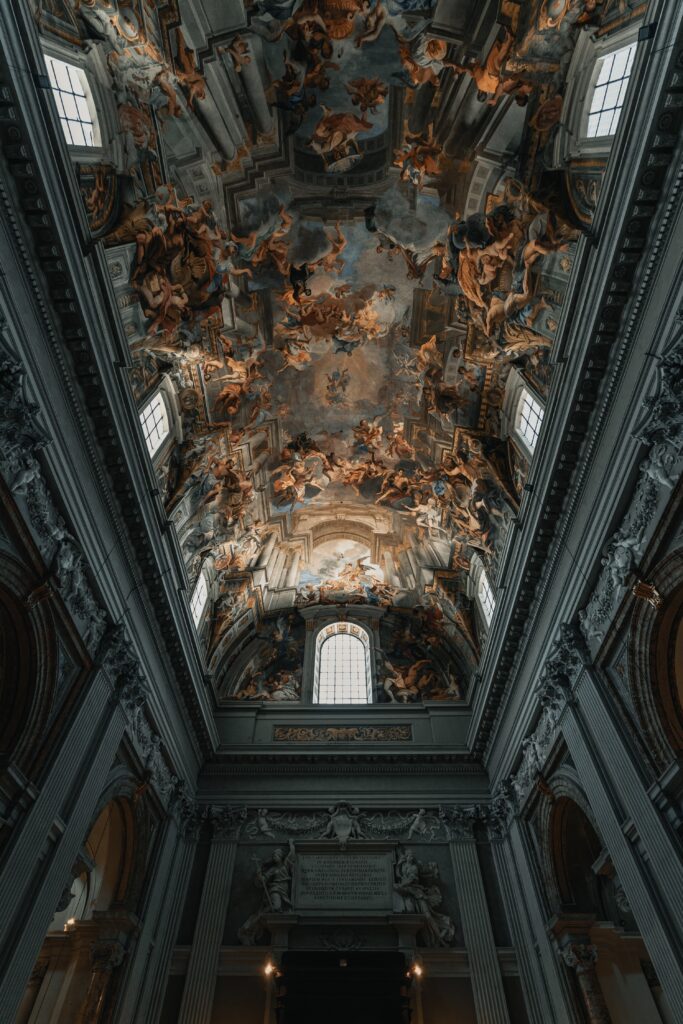
Stop 5: Sant’Ignazio di Loyola Church inside
The Sant’Ignazio di Loyola Church is a hidden gem of Baroque illusionism. Its ceiling painting produces a striking 3D effect that appears to extend into infinite space.
Tip:Stand on the marked spot on the floor to see the optical illusion align precisely.
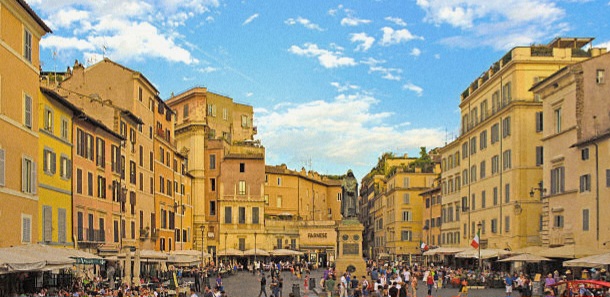
Ending Point: Campo de’ Fiori
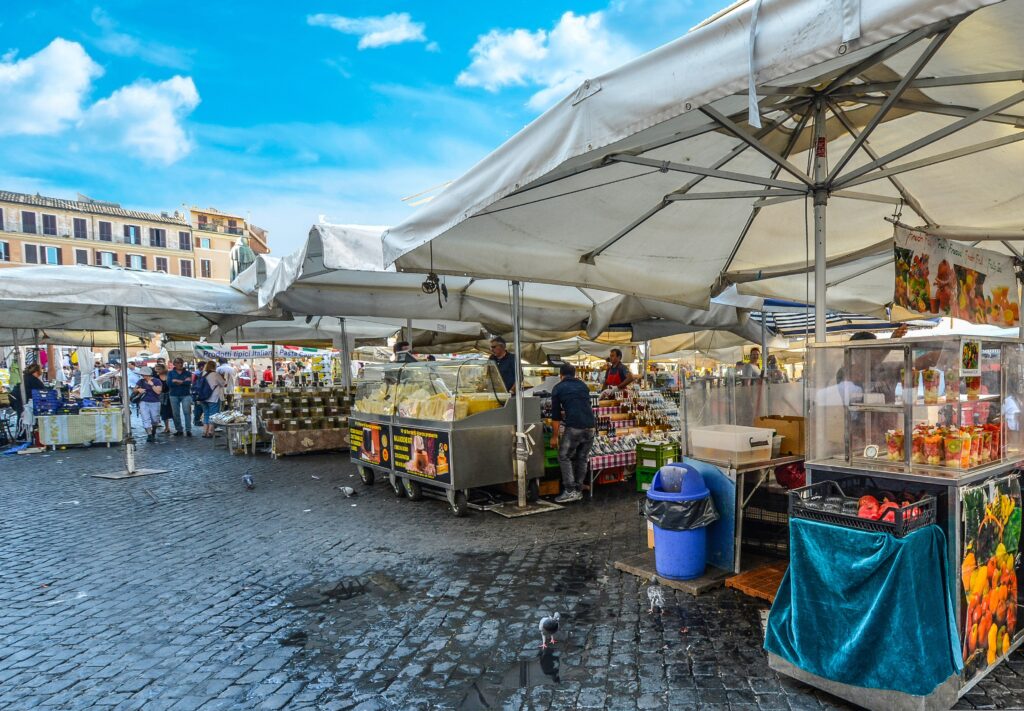
Finish at Campo de’ Fiori, a vibrant square known for its daily market and lively evening atmosphere. It’s an ideal place to relax after your walk.
In Summary
A Baroque walking tour offers one of the most immersive ways to experience the historic centre of Rome. Every street reveals layers of art, architecture, and history woven together over centuries.
While this itinerary provides a structured guide, the best experiences often come from spontaneous exploration along the way.
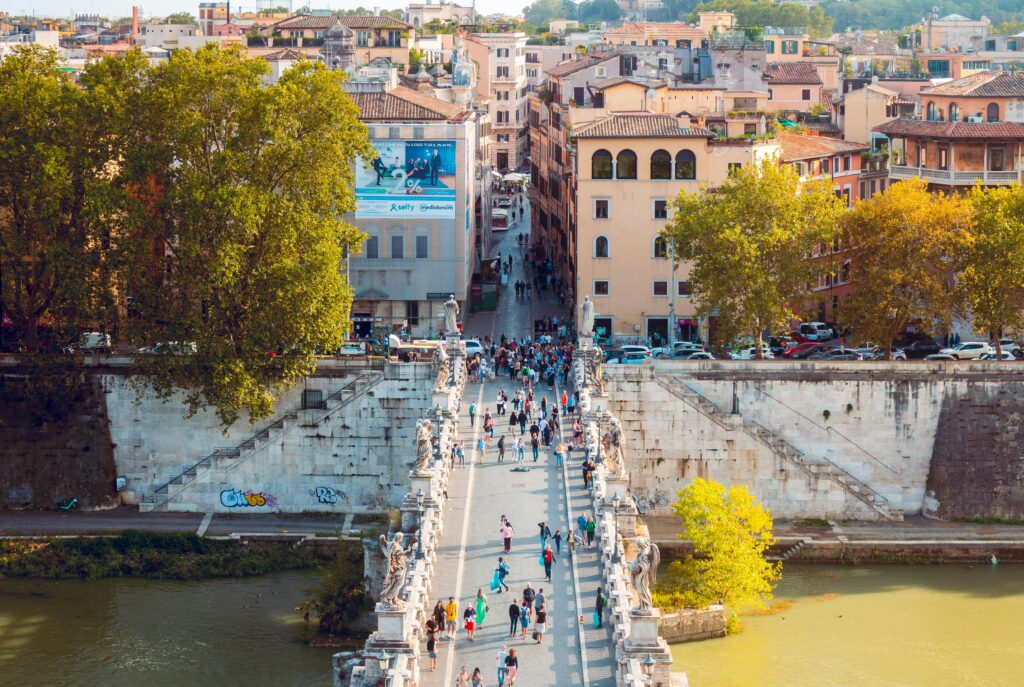
Aerial photo of Ponte Sant’Angelo, a historic bridge over the Tiber River in Rome.