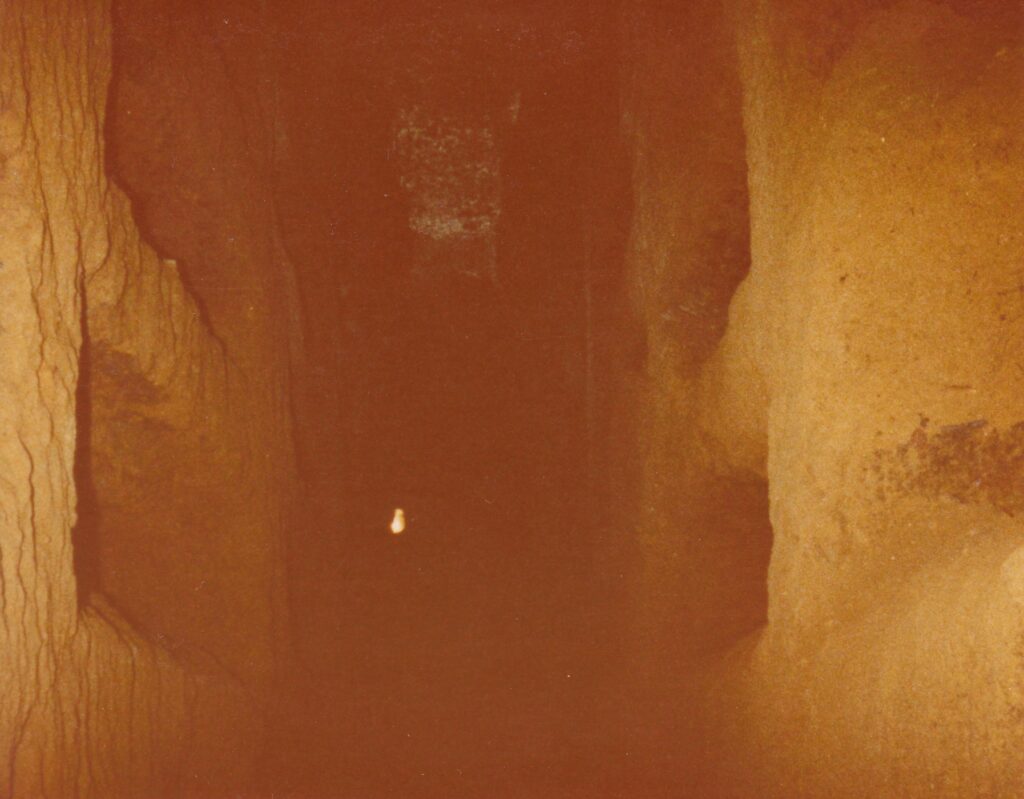
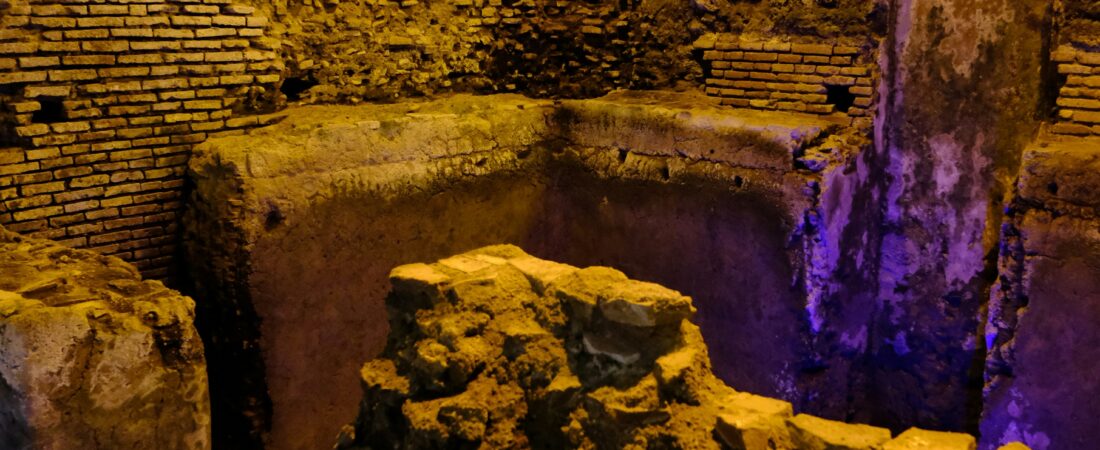
Beneath the ancient streets of Rome lies a hidden world of forgotten tunnels, catacombs, buried temples, and mysterious passageways. While millions visit the famous landmarks above ground, few realize that another city exists underneath — one filled with secrets from the Roman Empire, early Christianity, and medieval times.
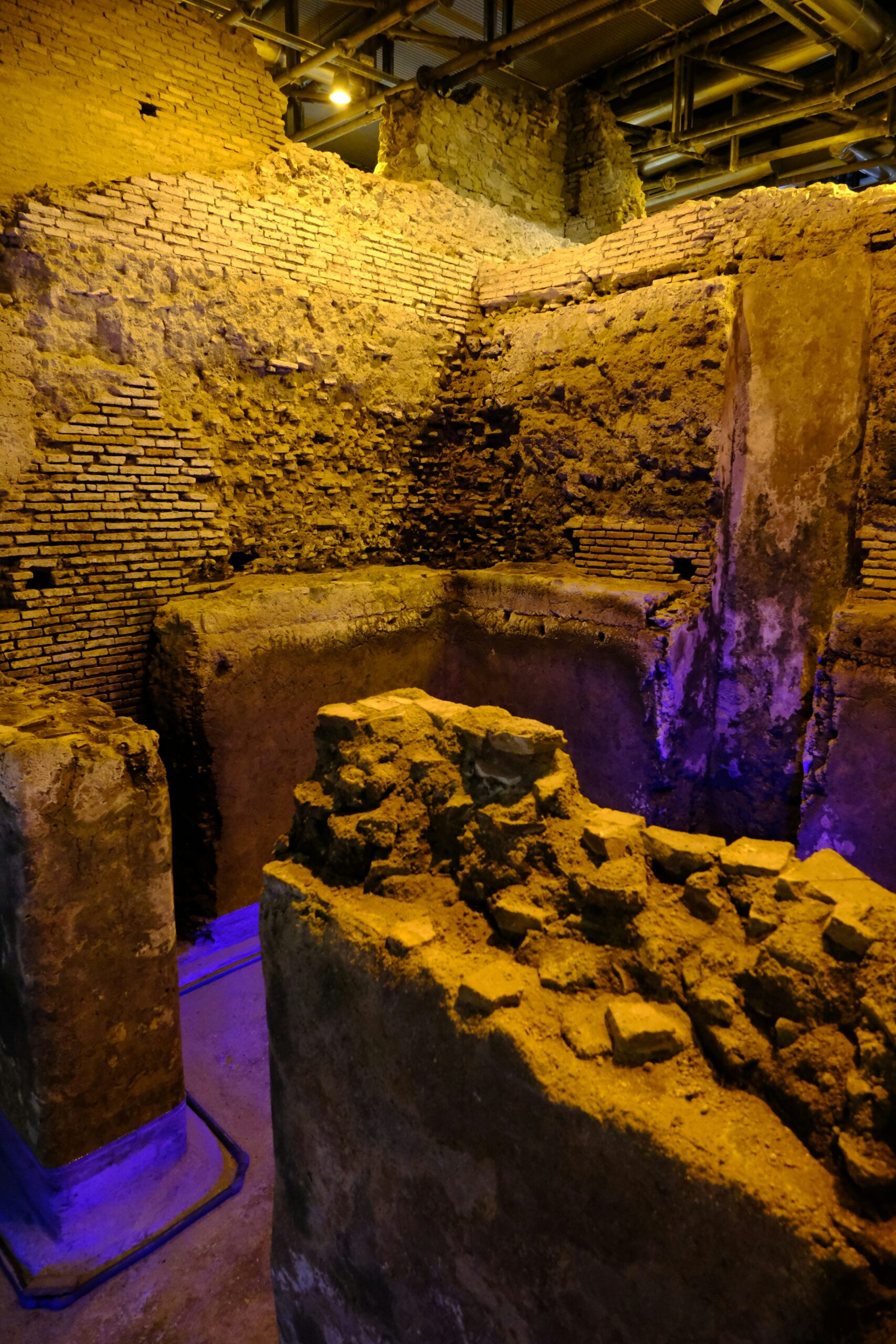
The lost underground tunnels of Rome have fascinated archaeologists, historians, and travelers for centuries. Some were used as escape routes, others as burial chambers, some still remain unexplored today.
The Hidden Underground World of Rome
The underground network beneath Rome stretches for miles. Over thousands of years, new buildings were constructed on top of older ruins, slowly burying ancient roads, houses, and tunnels beneath the modern city.
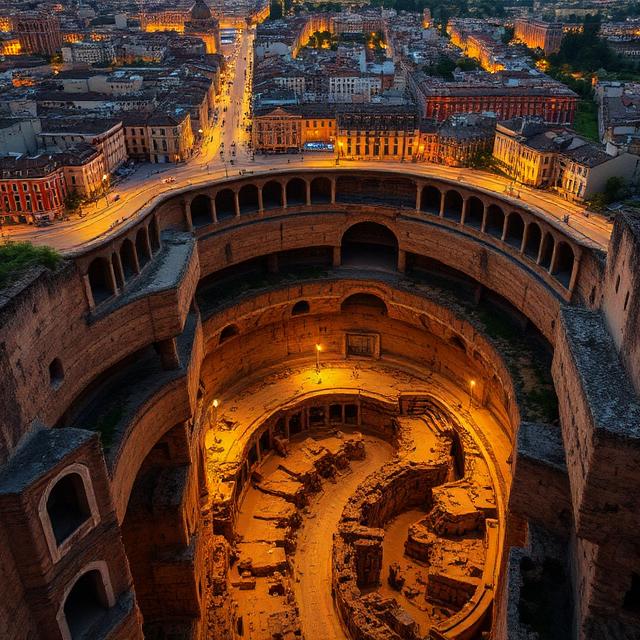
Some images (like that one) are AI generated for illustrative purposes
Experts believe large portions of Rome’s underground passages are still undiscovered. Earthquakes, wars, and urban development sealed many entrances forever. Today, explorers continue uncovering hidden chambers beneath churches, palaces, and streets across the city.
Ancient Roman Catacombs
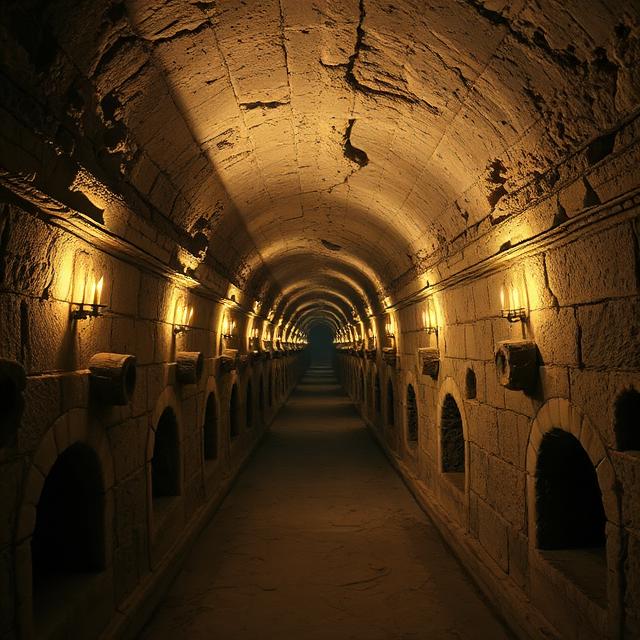
Among the most famous underground tunnels are the Roman catacombs. These vast burial networks were created between the 2nd and 5th centuries AD.
The best-known catacombs include:
- Catacombs of San Callisto
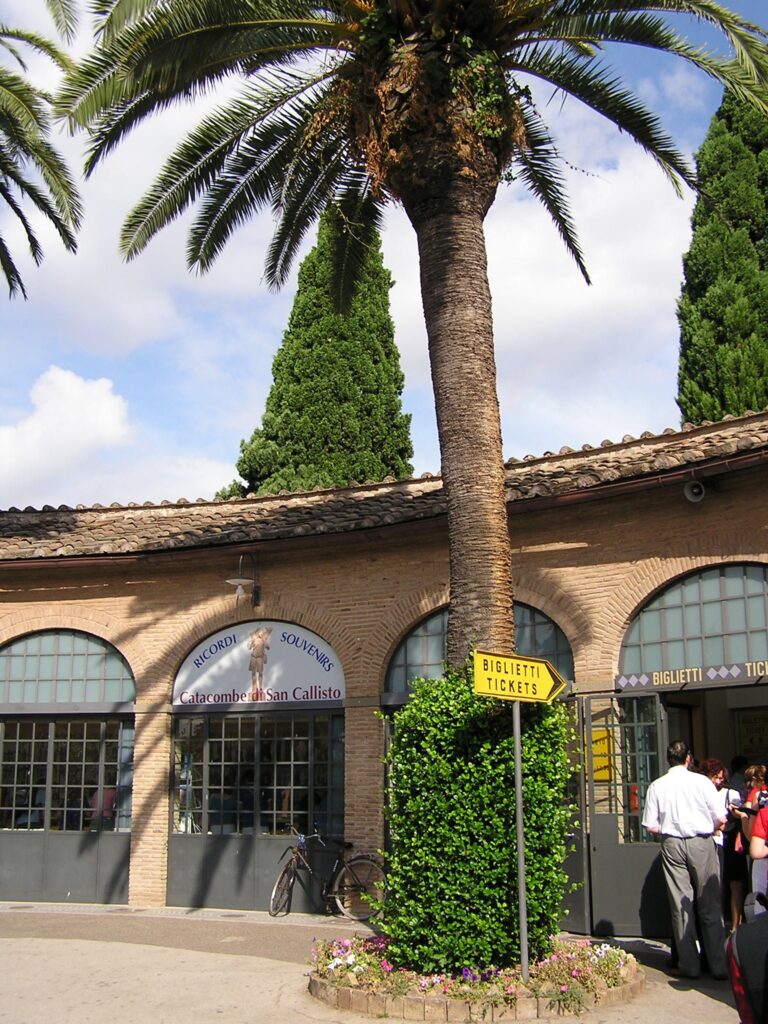
- Catacombs of San Sebastiano
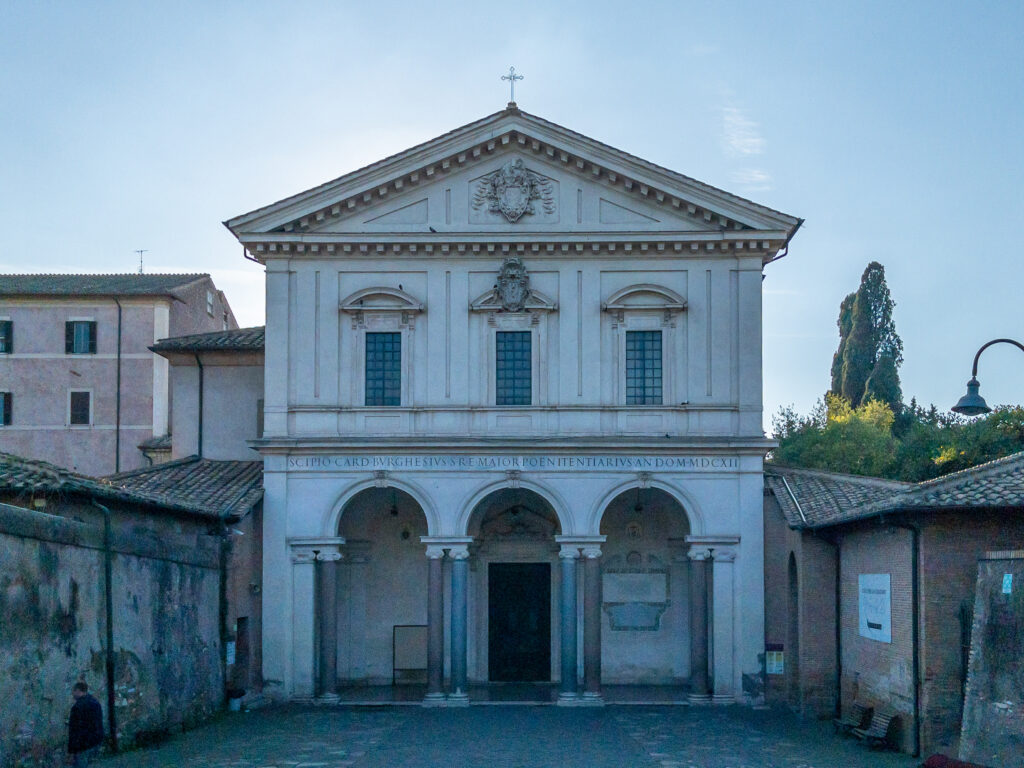
- Catacombs of Priscilla
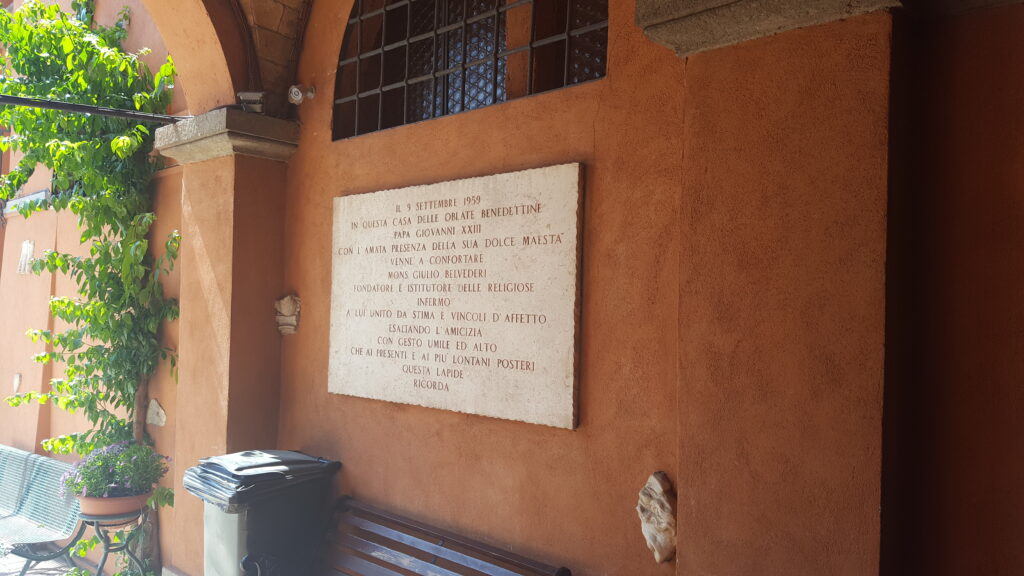
These underground labyrinths remain one of Rome’s most mysterious attractions.
The Underground Aqueducts
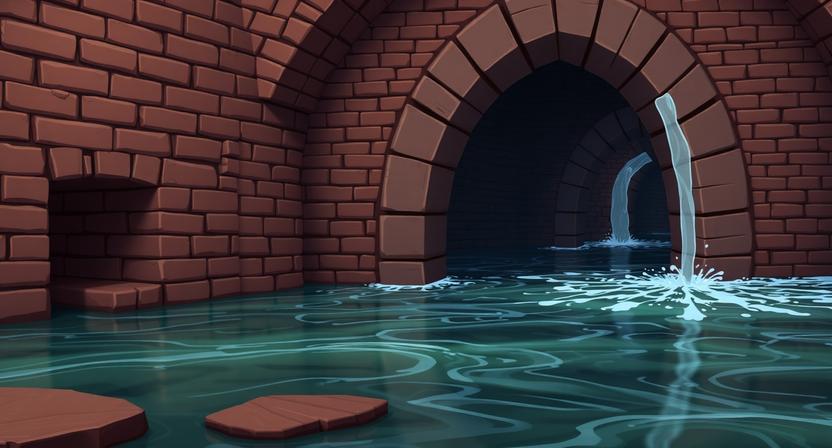
Rome’s underground tunnels also include ancient aqueduct systems that once supplied water to over a million residents. These engineering masterpieces transported fresh water from distant mountains into public baths, fountains, and homes. Some underground channels are still functional today.
The Romans built these tunnels with remarkable precision, proving why Roman engineering remains admired worldwide.
Why So Many Tunnels Were Lost
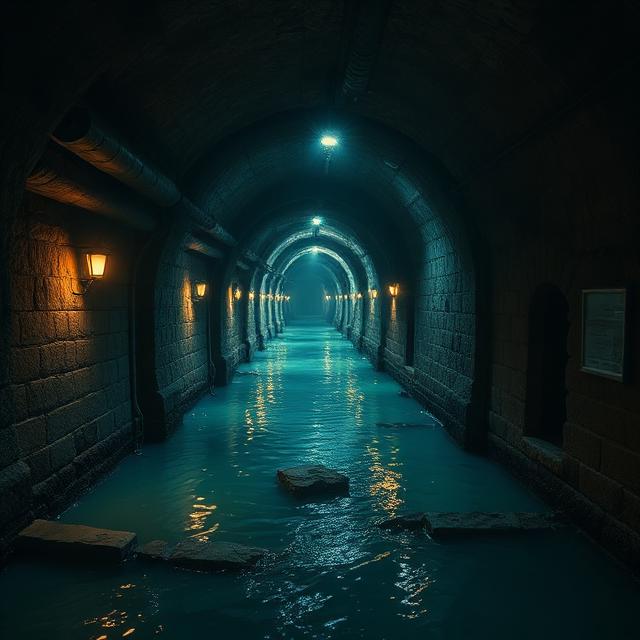
Many underground tunnels disappeared due to centuries of flooding, collapsed structures, and urban expansion. As Rome evolved, old buildings were buried and forgotten. New roads and churches covered ancient entrances, leaving entire sections hidden beneath modern neighborhoods.
In some cases, authorities sealed tunnels for safety reasons after discovering unstable passageways.
Modern Discoveries
New discoveries continue to reveal hidden parts of underground Rome.
Construction projects for subways and buildings frequently uncover ancient tunnels, mosaics, and chambers. Archaeologists often pause construction to study these remarkable finds.
Recent excavations have exposed:
Buried Roman streets
Hidden military passages
Ancient sewer systems
Underground homes
Secret religious chambers
Each discovery helps historians better understand life in ancient Rome.
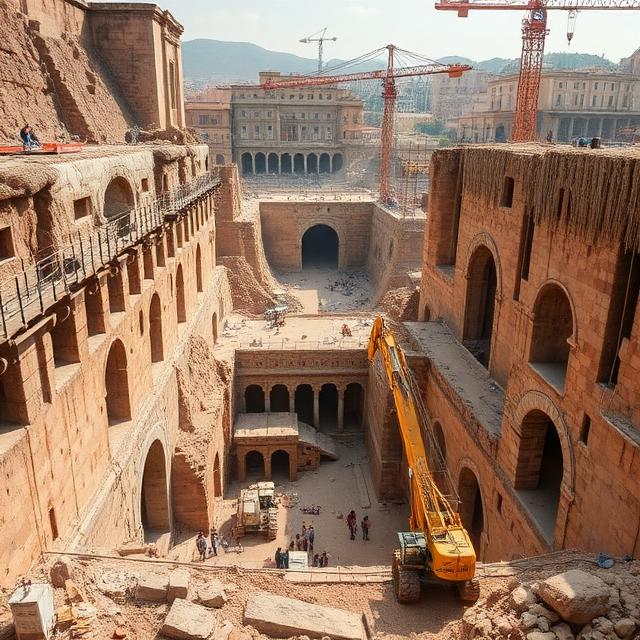
Can You Visit Rome’s Underground Tunnels?
Yes, several underground sites are open to visitors. Guided tours allow travelers to explore catacombs, buried churches, and ancient tunnels safely.
Popular underground experiences include:
Roman Catacombs
Basilica of San Clemente
Domus Aurea
Crypta Balbi
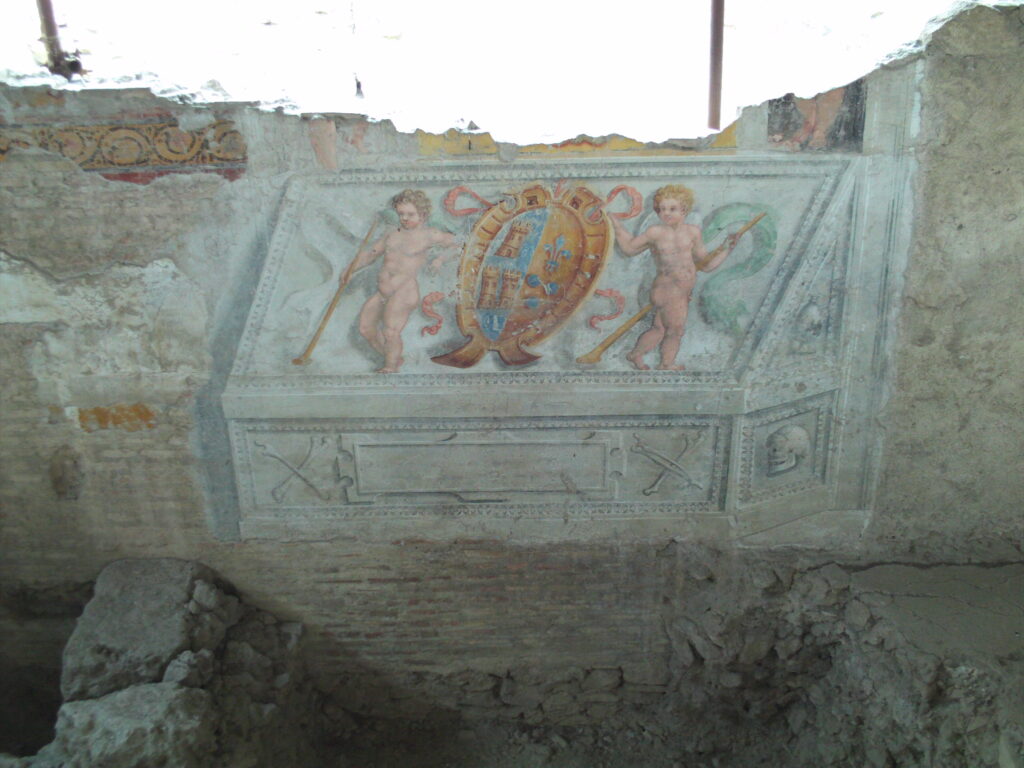
Crypta Balbi
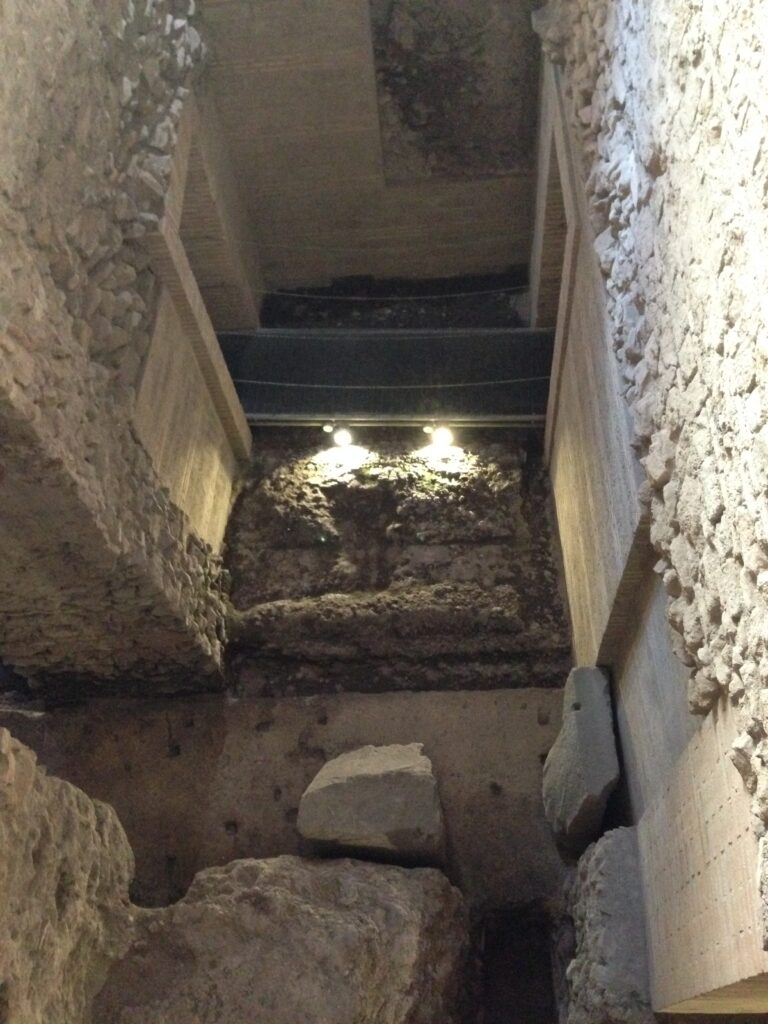
Crypta Balbi
These locations offer a glimpse into the hidden layers of the city.
The lost underground tunnels of Rome remain one of history’s hidden treasures. Beneath the bustling modern city lies an ancient maze filled with forgotten stories, secret rituals, and buried civilizations. As archaeologists continue exploring underground Rome, new mysteries are emerging. For travelers and history lovers alike, the hidden tunnels beneath offer a journey into the past.