
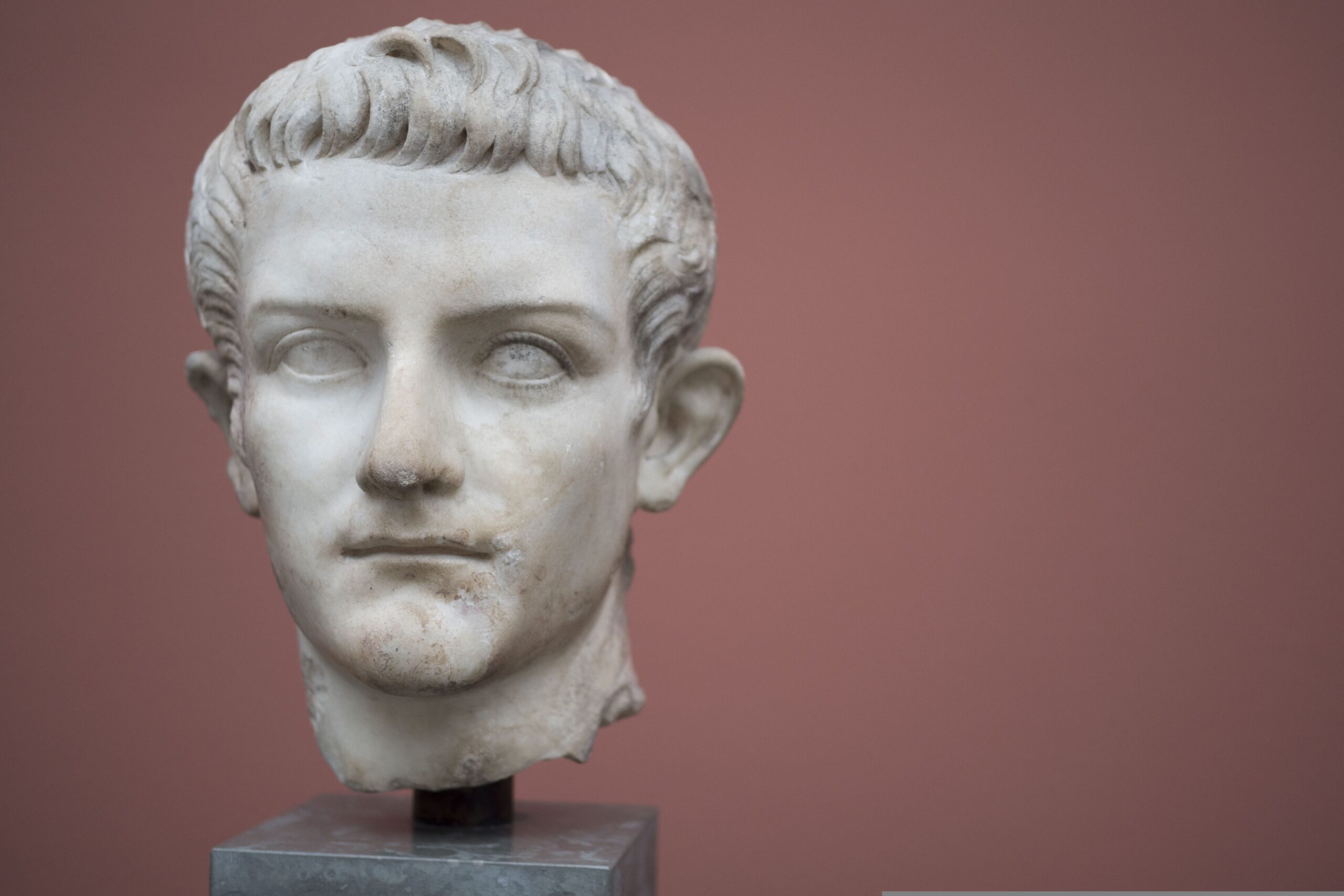
Caligula is one of the most well-known emperors of ancient Rome, ruling from 37 to 41 CE. His short reign has often been described as controversial in ancient sources, but modern historians take a more cautious and balanced view.Most surviving accounts come from writers such as Suetonius and Cassius Dio, who wrote decades after his death and were influenced by senatorial perspectives. As a result, separating historical fact from political interpretation is essential when studying his rule.
Early Life
Caligula was born in 12 CE into the Julio-Claudian dynasty. His father, Germanicus, was a celebrated Roman general, and his mother, Agrippina the Elder, was closely connected to the imperial family.
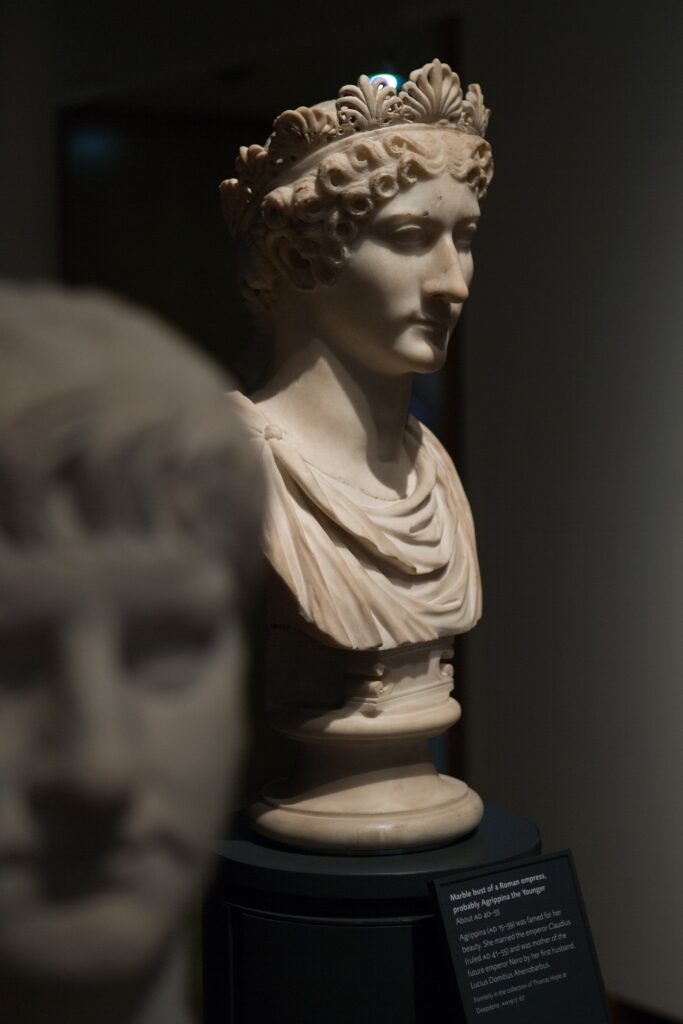
Sculpture of Agrippina, mother of Caligula
As a child, he accompanied his father on military campaigns in Germania, where he became popular among soldiers. The nickname “Caligula,” meaning “little boots,” was given to him during this time.
After his father’s death, his family fell into political decline under Emperor Tiberius. Several relatives were exiled or executed, while Caligula survived under imperial supervision and spent time at Capri during Tiberius’ later years.
Rise to Power
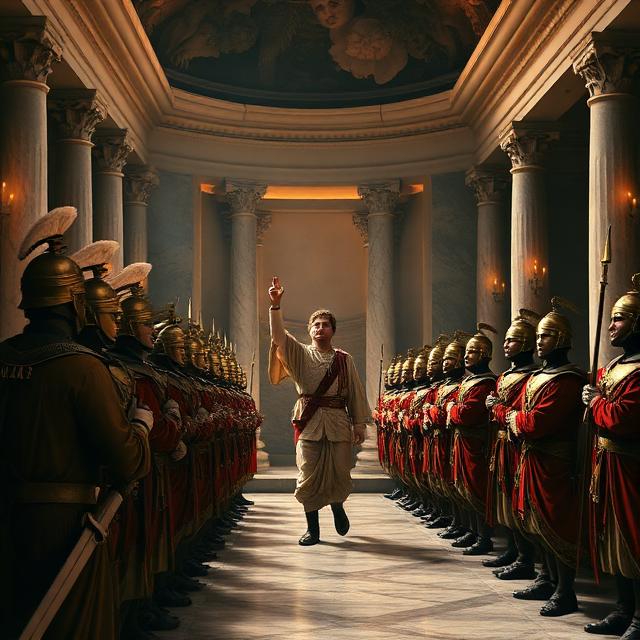
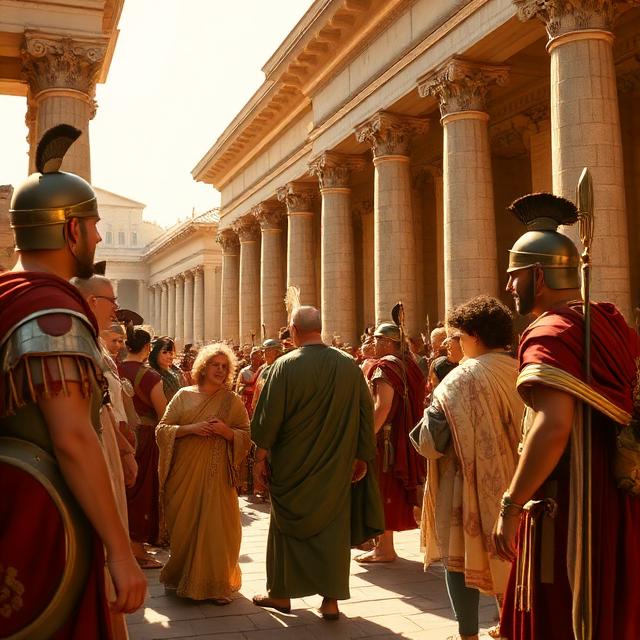
Some images (like that one) are AI generated for illustrative purposes
In 37 CE, following the death of Tiberius, Caligula became emperor. His succession was supported by the Praetorian Guard and accepted by the Roman Senate, largely due to his dynastic legitimacy.
His early rule was marked by positive gestures, including:
- Recalling exiled individuals
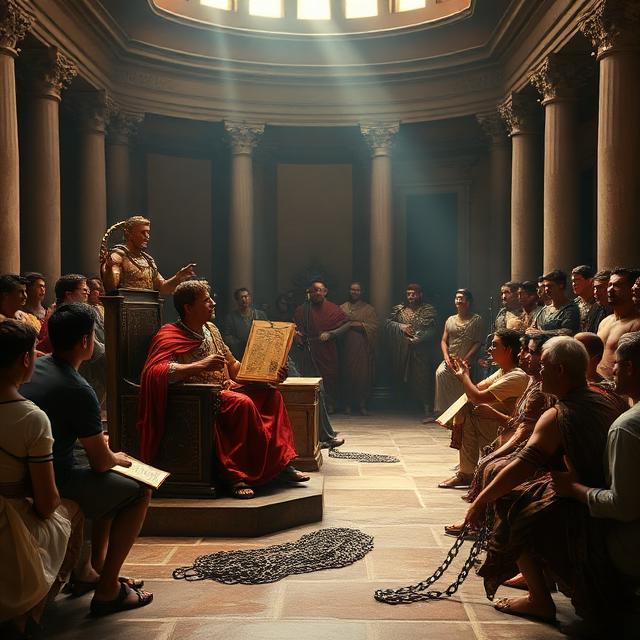
- Granting political amnesties
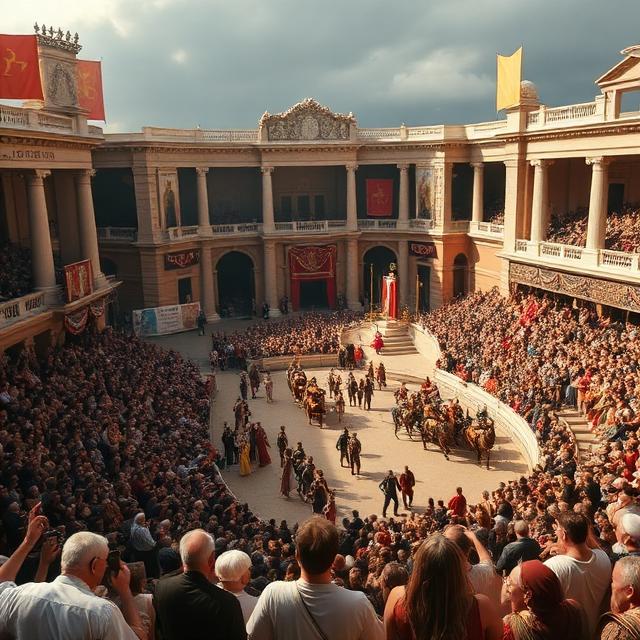
- Public games and distributions to improve popularity
These actions helped restore stability after the unpopular later reign of Tiberius.
Reign as Roman Emperor
Caligula’s reign gradually became politically strained. He expanded imperial authority and increasingly reduced the Senate’s influence in governance.
Key characteristics of his rule:
- Strong centralisation of imperial powerIncreased reliance on personal authority
- Large public expenditure on games, ceremonies, and infrastructure
- Growing political tension with the Roman Senate
While ancient sources often describe extreme or unusual behaviour, some modern historians think that these accounts may reflect elite bias rather than fully objective reporting, and in many cases it is difficult to be completely sure what really happened.
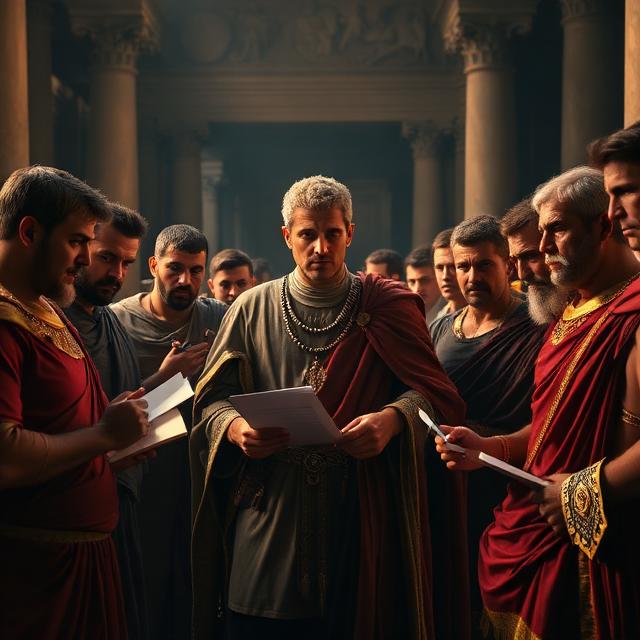
Ancient writers such as Suetonius and Cassius Dio describe Caligula as increasingly unpredictable during his reign, with actions that shocked Rome’s political elite. He was accused of extreme extravagance, harsh treatment of senators, and behaviour that broke with traditional Roman expectations of imperial conduct.
Reported examples include public humiliation of political figures, demanding divine honours, and decisions that appeared impulsive or theatrical
Assassination and Death
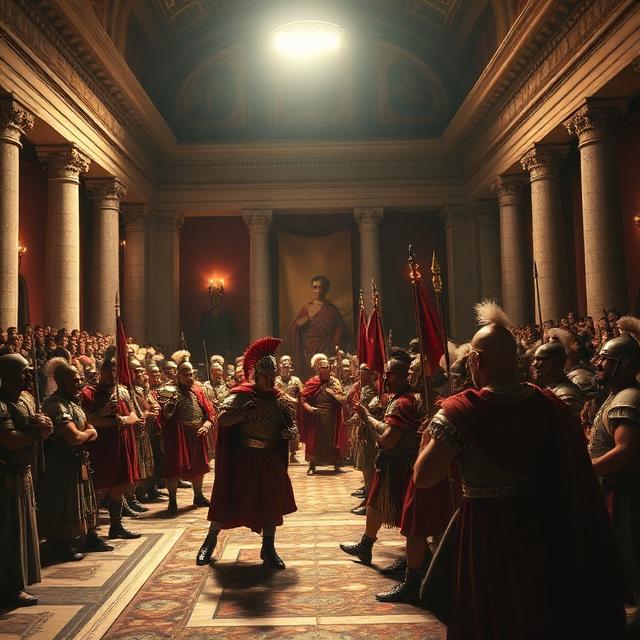
Caligula’s rule ended abruptly in 41 CE when he was assassinated in a palace conspiracy. Members of the Praetorian Guard, along with senators and court officials, planned the attack due to political tensions, personal grievances, and fear of his increasing authoritarian control.
He was killed in Rome in 41 CE after attending games and theatrical performances held on the Palatine Hill. As Caligula passed through a palace corridor beneath the imperial palace complex, members of the Praetorian Guard led by Cassius Chaerea attacked and assassinated him. Several members of his household were also killed in the chaos. His wife, Caesonia, and his young daughter were murdered shortly afterward.
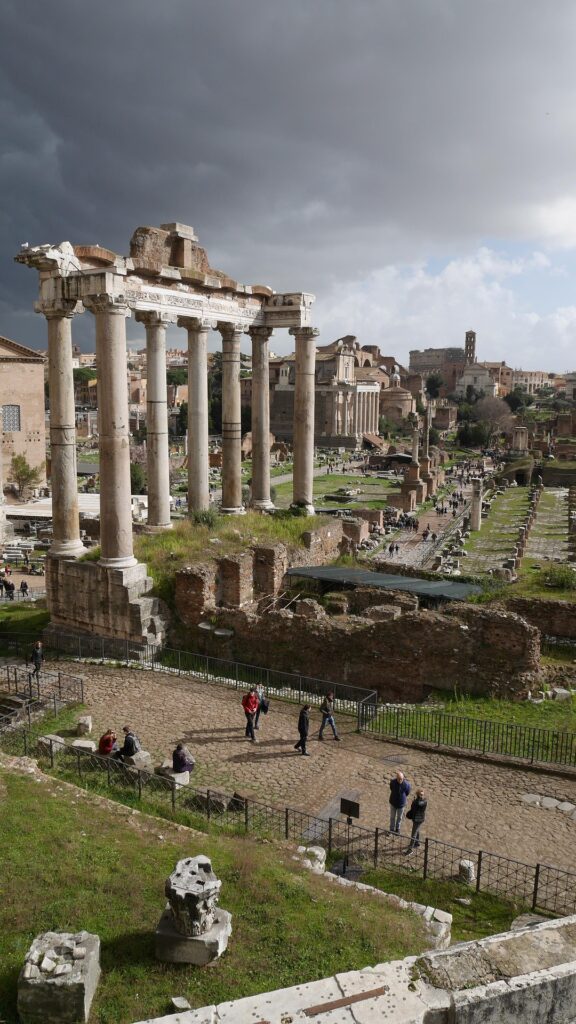
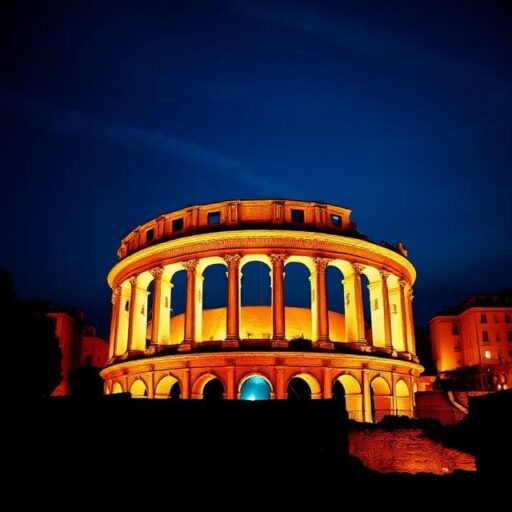
Modern day Palatine Hill area. Emperor Caligula was likely assassinated somewhere close.
After his death, the Senate briefly considered restoring the Roman Republic, but the Praetorian Guard instead declared Caligula’s uncle, Claudius, the new emperor.
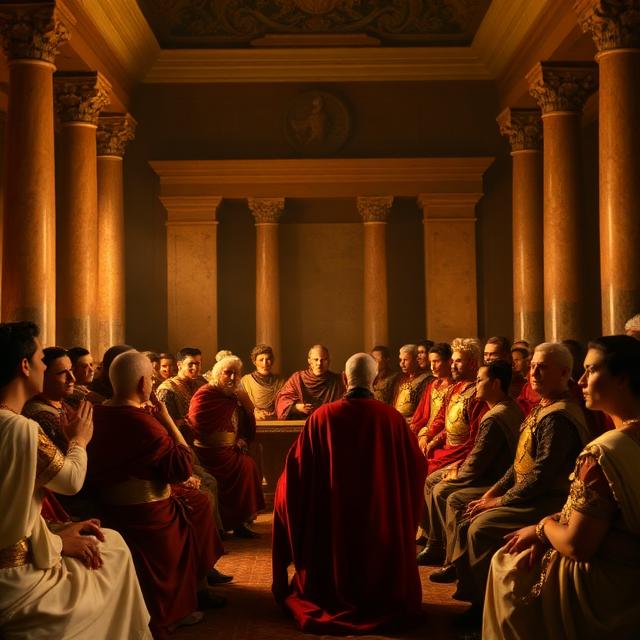
Legacy
Caligula’s legacy is highly controversial. Ancient writers often portray him as a cruel and unstable ruler, but modern historians debate how much of this is exaggerated by hostile political sources.
Some evidence suggests he strengthened imperial authority and challenged elite dominance, while other accounts emphasize financial excess and political instability.
Overall, his reign is remembered as short, turbulent, and pivotal in highlighting tensions between the Roman emperor, the Senate, and the military.
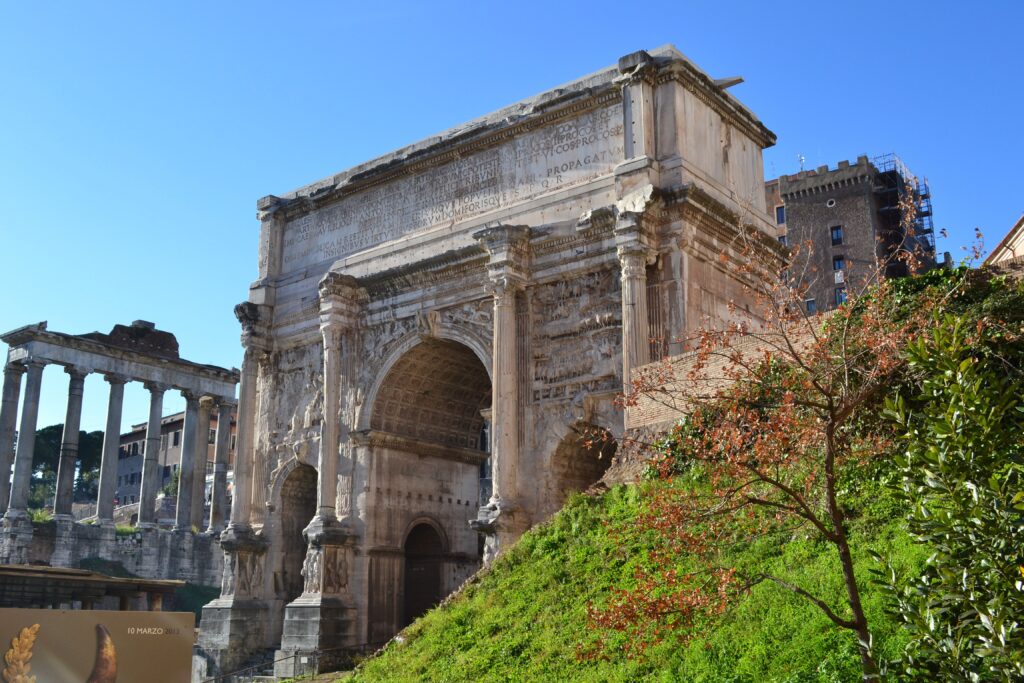
Roman forum- the political center of ancient Rome, just below the Palatine hill