Ancient Rome, one of history’s most influential civilizations, continues to fascinate us with its complex society, impressive architecture, and enduring cultural legacy. While many know about emperors and grand battles, understanding daily life in Ancient Rome offers a richer perspective on how ordinary Romans lived, worked, and relaxed.
What Was Daily Life Like in Ancient Rome?
Daily life in Ancient Rome depended heavily on social class, wealth, gender, and whether a person lived in the city or countryside. Rome was a massive empire that stretched across Europe, North Africa, and the Middle East, but the city of Rome itself was the center of political and cultural life.
- Patricians — wealthy upper-class families
- Plebeians — ordinary citizens and workers
- Freedmen — formerly enslaved people who gained freedom
- Slaves — people with few or no legal rights
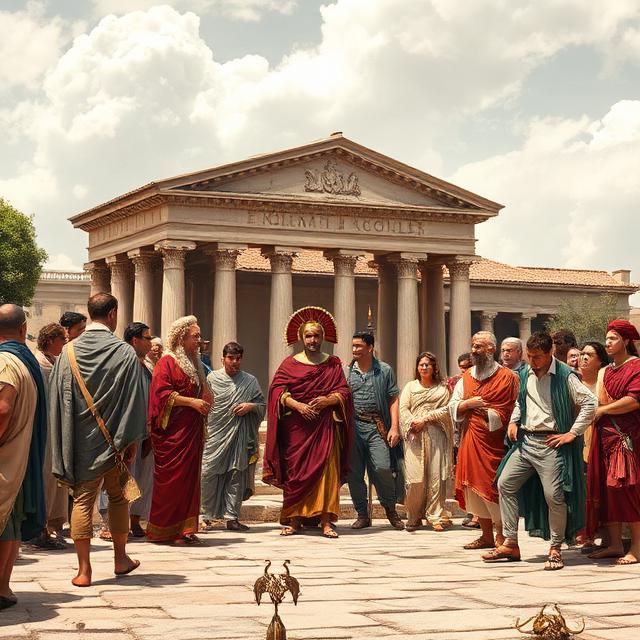
Roman Homes and Family Life
Wealthy Roman Homes
Rich Romans lived in large private houses called domus. These homes often featured:
- Central courtyards
- Decorative fountains
- Marble floors
- Colorful wall paintings
- Private dining rooms
- Indoor plumbing
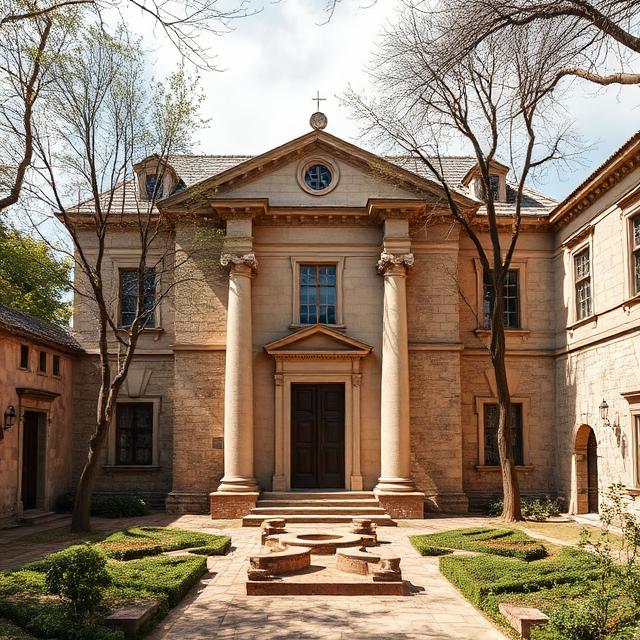
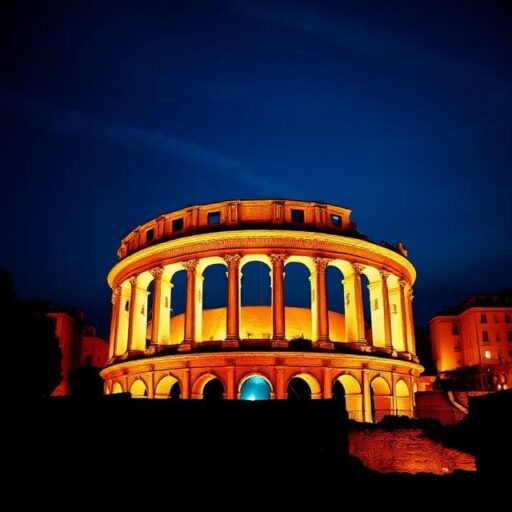
Some images (like that one) are AI generated for illustrative purposes
A wealthy Roman household could include servants, tutors, cooks, and enslaved workers. Family life was controlled by the paterfamilias, the oldest male head of the household, who held legal authority over the family.
Apartment Living for Ordinary Romans
Most Romans lived in crowded apartment buildings known as insulae. These structures were often poorly built and dangerous due to fires or collapses.
Lower floors were more expensive because they were safer and easier to access. Poorer citizens usually lived on upper levels without running water or sanitation.
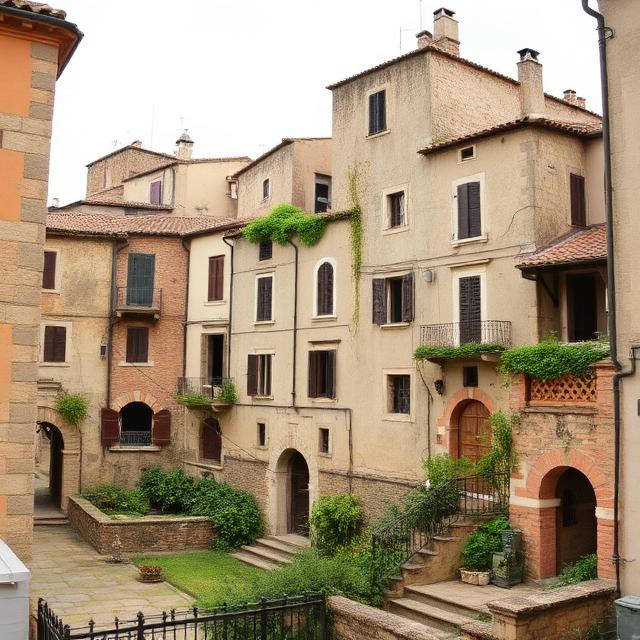
Despite difficult conditions, Roman neighborhoods were lively and full of shops, taverns, and street vendors.
Work and Jobs in Ancient Rome
Common Roman Occupations
Romans worked in many different trades and professions. Common jobs included:
- Farmers
- Builders
- Soldiers
- Merchants
- Bakers
- Blacksmiths
- Teachers
- Doctors
Agriculture was the backbone of the Roman economy. Most people worked on farms producing wheat, olives, and grapes.
Slavery in Roman Society
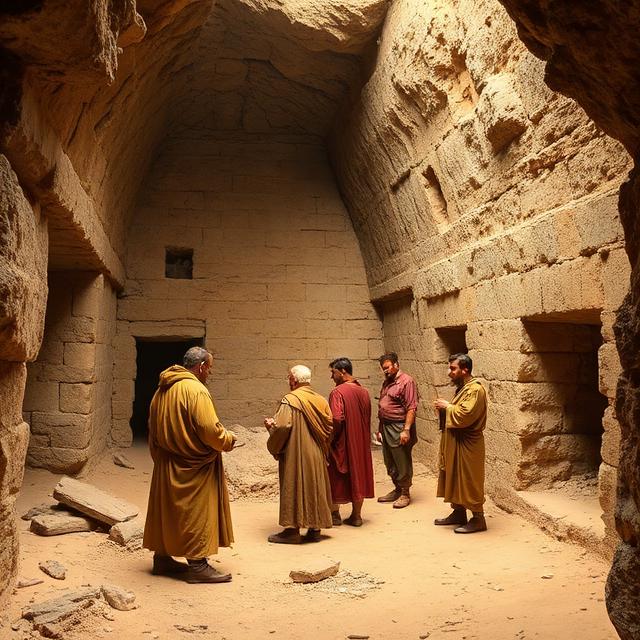
Slavery played a major role in Ancient Rome. Enslaved people worked in homes, mines, farms, and government offices. Some slaves were highly educated and served as teachers or accountants.Although some enslaved people could eventually earn freedom, many lived under harsh conditions.
Roman Soldiers
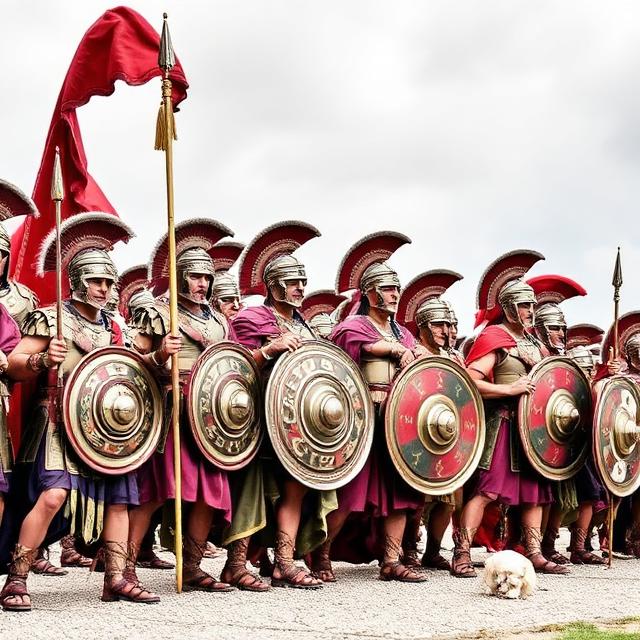
The Roman army offered steady pay, food, and social status. Soldiers helped expand and protect the empire while also building roads, walls, and cities across Roman territories. Military service often lasted around 25 years.
Food and Dining in Ancient Rome
The Roman diet depended on wealth and location.Common foods included:
- Bread
- Olive oil
- Fish
- Vegetables
- Cheese
- Fruit
- Wine
Poor Romans mainly ate simple meals of bread and porridge. Wealthy citizens enjoyed elaborate banquets with exotic foods, seafood, and imported spices.

Roman Banquets
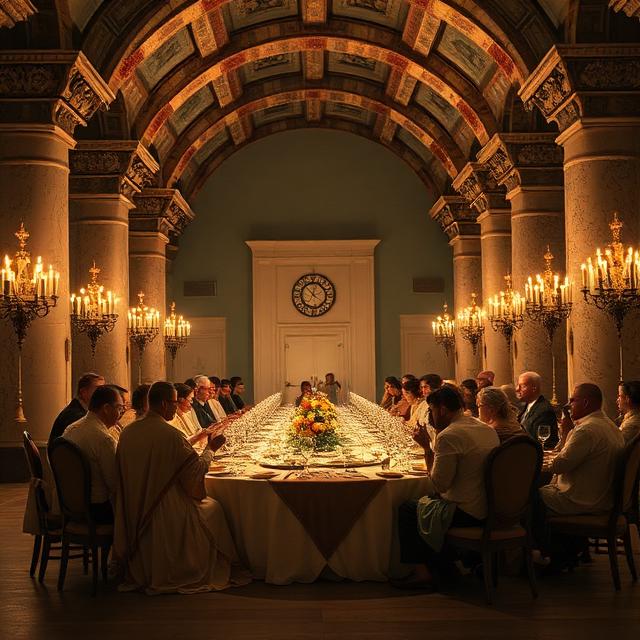
Dinner was the main meal of the day for wealthy Romans. Banquets were important social events where guests reclined on couches while servants brought multiple courses. Entertainment at banquets could include music, poetry, and dancing.
Education in Ancient Rome
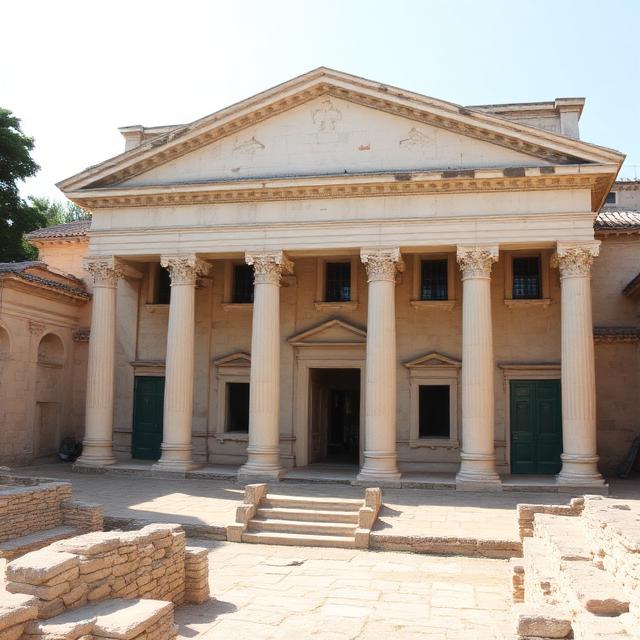
Boys from rich families studied:
- Reading
- Writing
- Mathematics
- History
- Public speaking
Rhetoric was especially important because skilled speaking helped men succeed in politics and law.
In Ancient Rome, girls from wealthy families were sometimes educated at home by private tutors, where they learned reading, writing, music, and household management skills.
Leisure and Entertainment in Ancient Rome
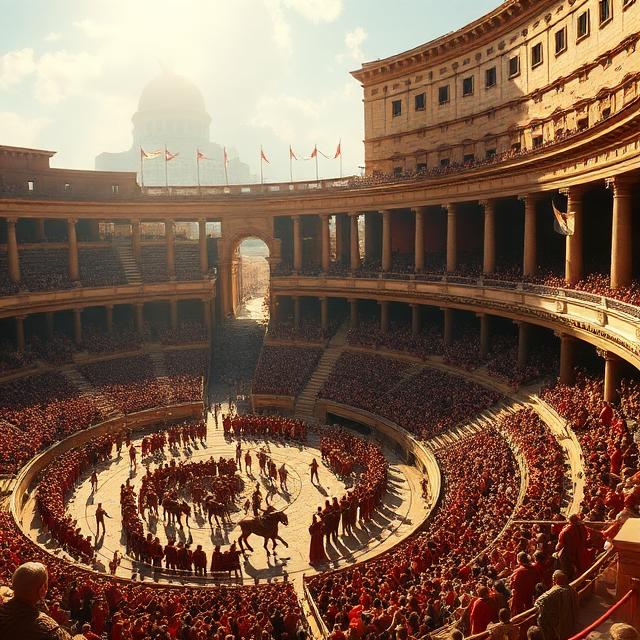
Entertainment played a central role in Roman life. Emperors organized spectacles to maintain public support and display power.
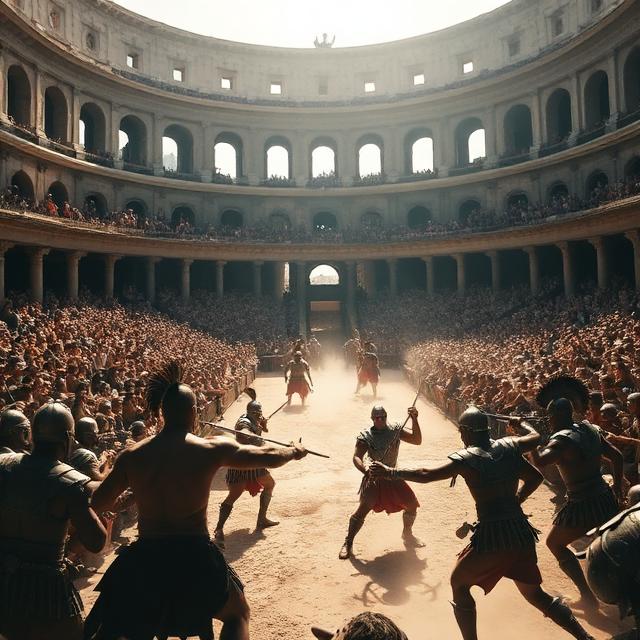
Gladiator Games
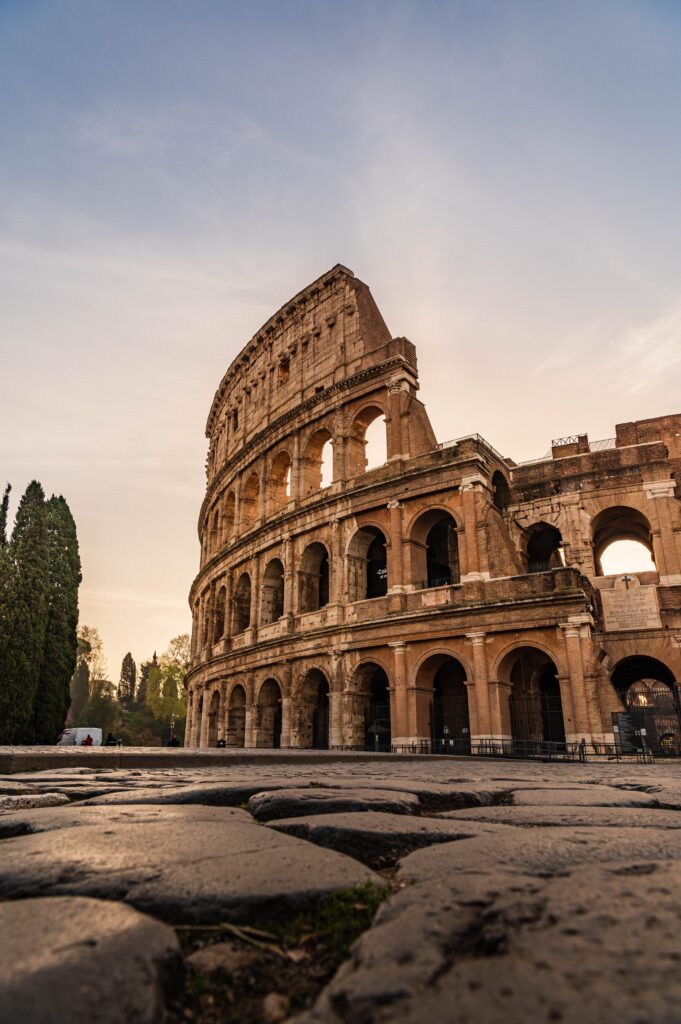
Gladiator contests were among Rome’s most famous entertainments. Fighters battled in large amphitheaters before massive crowds. Some gladiators became celebrities admired for their courage and skill.
Although brutal, these games reflected Roman ideals of bravery and endurance.
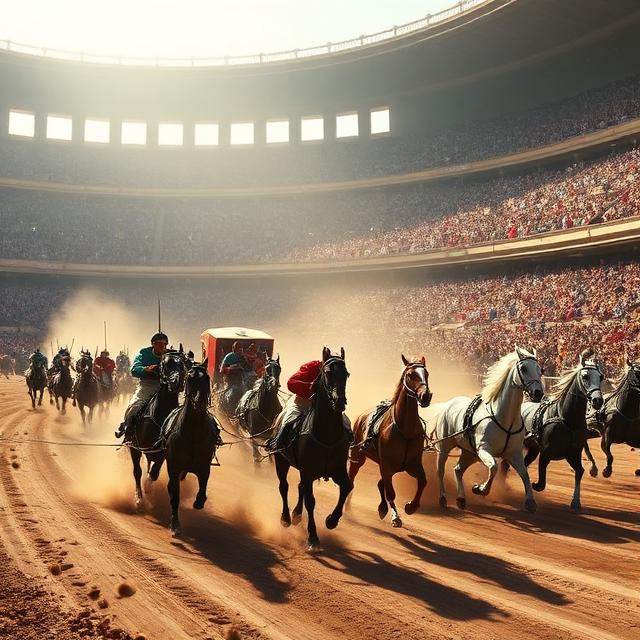
Chariot Racing
Chariot races attracted big audiences. Fans passionately supported racing teams distinguished by colors such as red, blue, green, and white. Races took place in huge circuses capable of holding tens of thousands of spectators.
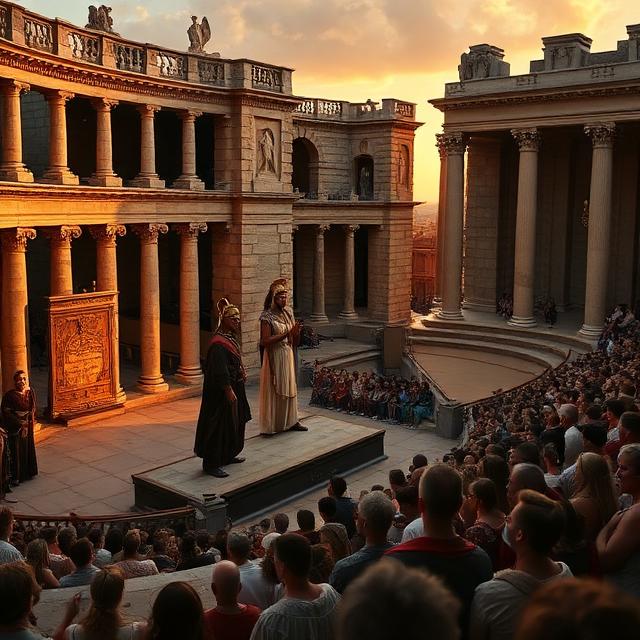
Theaters and Performances
Romans enjoyed:
- Comedy plays
- Tragedies (dramatic plays)
- Poetry readings
- Musical performances
- Dancing
Public performances were accessible to many social classes and formed an important part of urban culture.
Roman Baths and Social Life
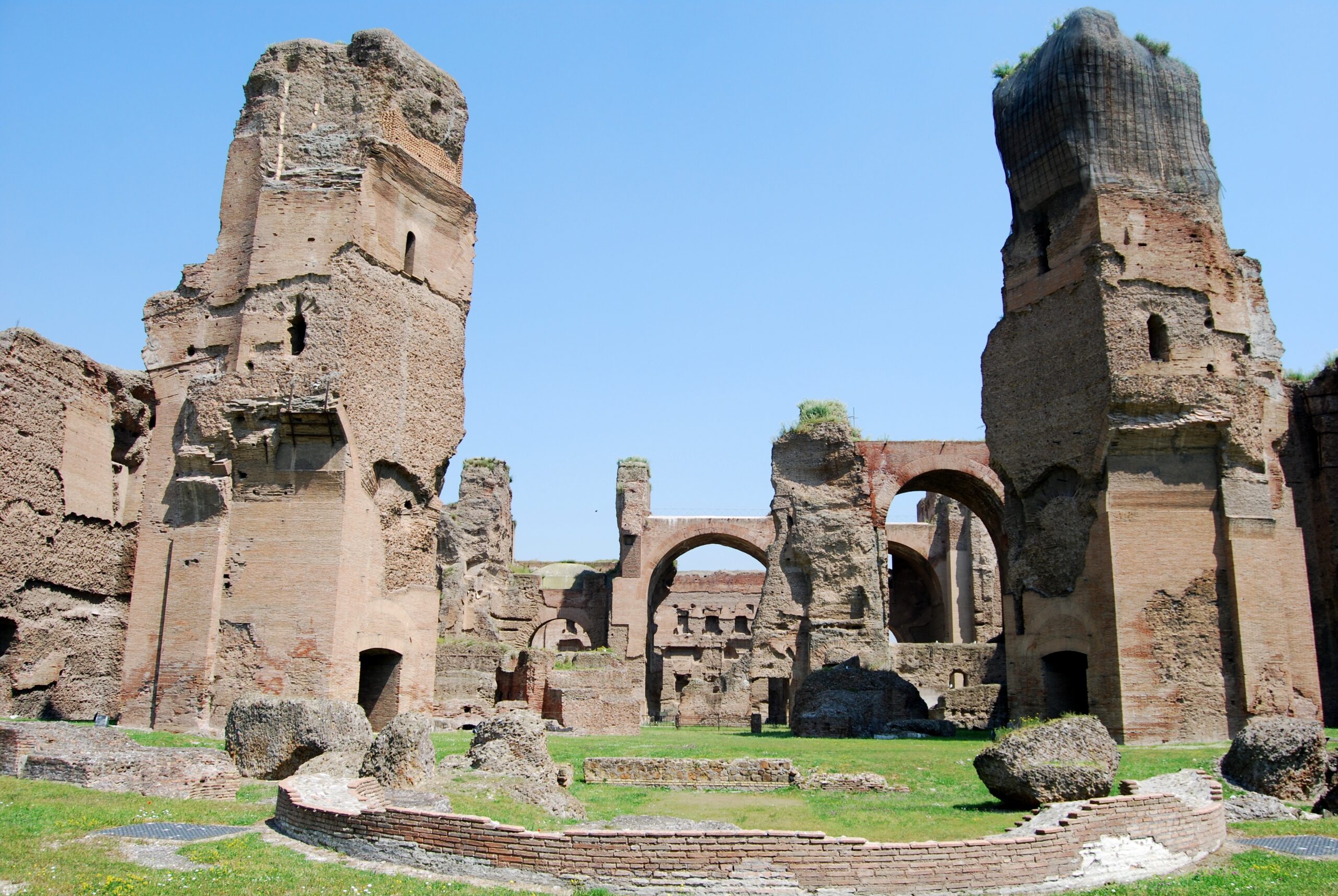
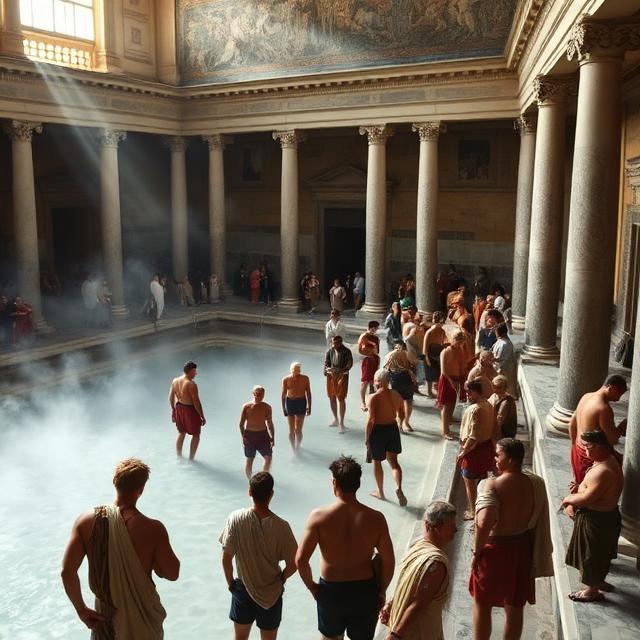
Public baths were essential centers of Roman social life. Bathhouses offered more than hygiene; they provided spaces for exercise, relaxation, conversation, and business.Most bath complexes included:
- Hot baths
- Warm baths
- Cold pools
- Exercise yards
- Libraries
- Gardens
People from different social backgrounds gathered daily at these facilities.
Urban Life in the City of Rome
The city of Rome was noisy, crowded, and active. Streets filled with:
- Merchants
- Wagons
- Street performers
- Politicians
- Beggars
- Travelers
Public fountains supplied water, while aqueducts transported fresh water across vast distances.
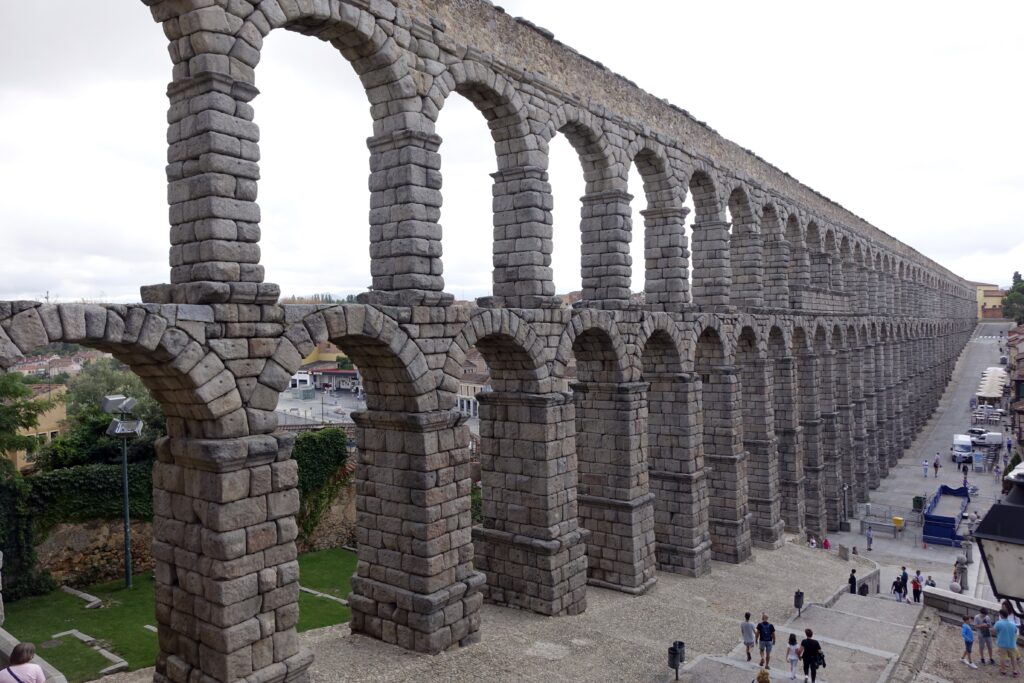
Roman aqueduct. We have an article titled “How Ancient Romans Built Aqueducts That Still Work Today”
Roman engineering transformed urban life through:
- Roads
- Sewers
- Bridges
- Public buildings
From elegant villas and crowded apartments to marketplaces, bathhouses, and amphitheaters, Roman life was dynamic and interconnected. The customs, innovations, and traditions developed by the Romans continue to influence modern civilization today.