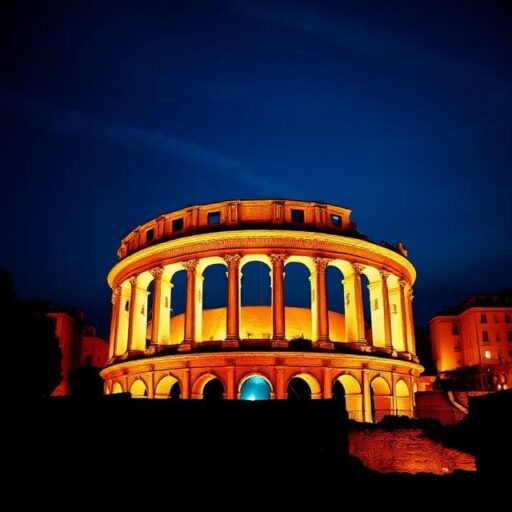
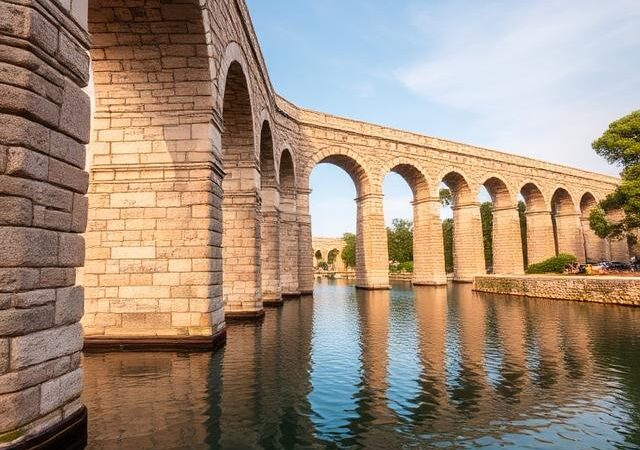
The Roman Empire’s ability to thrive and expand was largely due to one vital resource: water. The aqueducts they built to transport it are testaments to an engineering excellence that remains awe-inspiring. These monumental structures, many of which have survived millennia, transformed how cities functioned and set a standard for public infrastructure that lasted centuries.
The Engineering Marvel
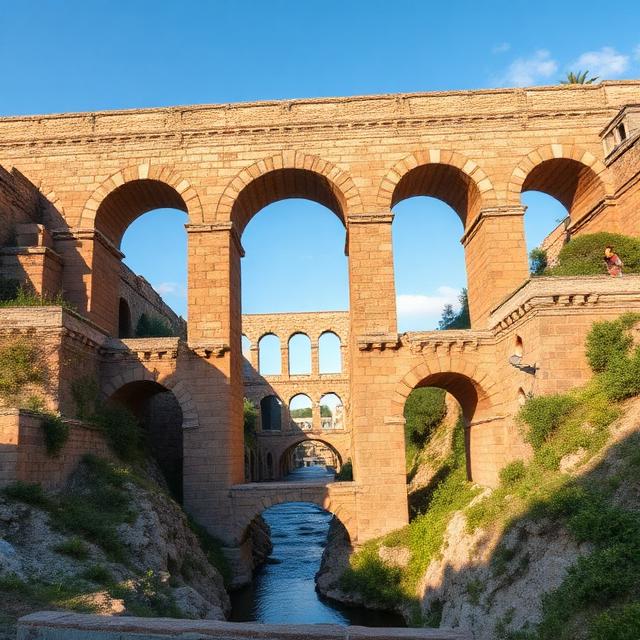
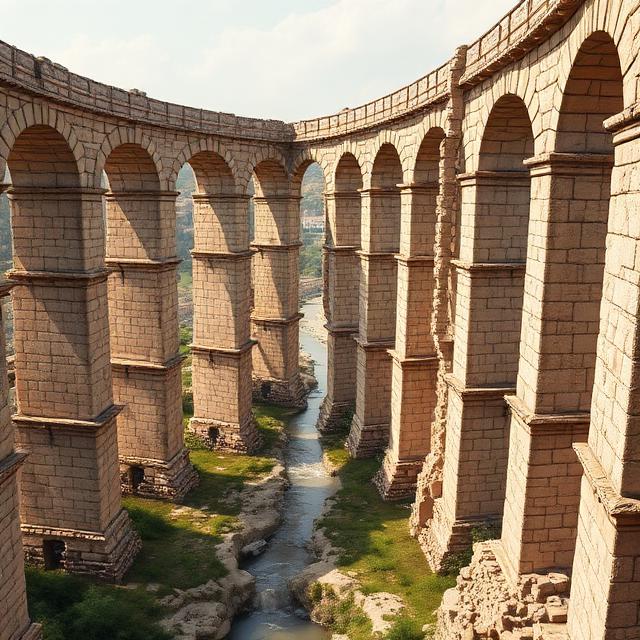
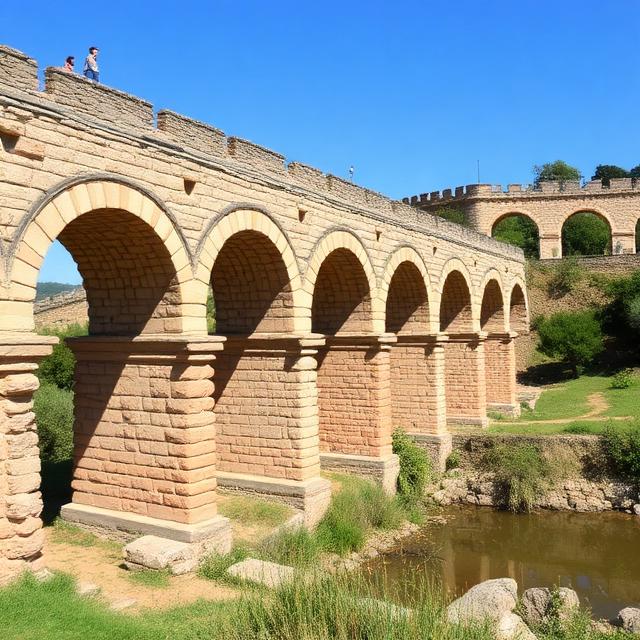
At their core, Roman aqueducts were gravity-fed systems. Engineers carefully surveyed the land to maintain a continuous, gentle gradient from mountain springs to city centers, often over dozens of miles. They used specialized tools like the chorobates for leveling and the groma for measuring straight lines. When facing deep valleys, rather than building massive detours, they constructed the iconic multi-tiered arches to carry the water channel (specus) across the void. The precise arch construction allowed Roman engineers to span deep valleys while maintaining structural integrity.
Materials and Construction
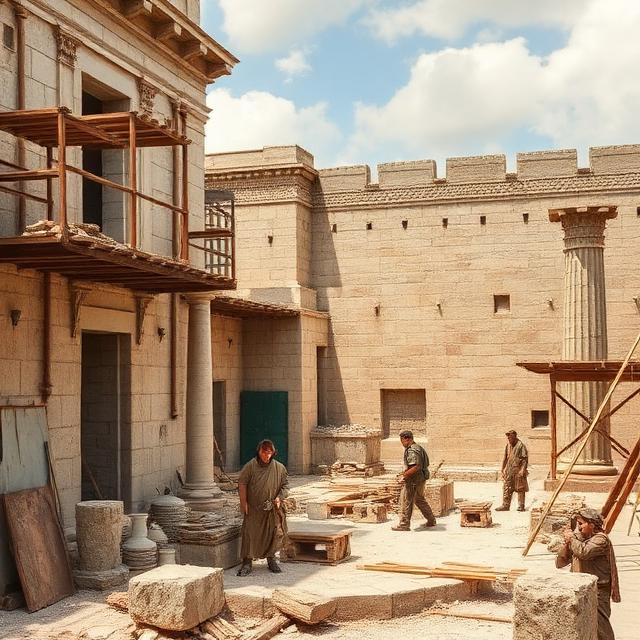
The durability of these structures comes down to superior materials and meticulous labor organization. The Romans utilized a revolutionary building material: opus caementicium, or Roman concrete. Mixed with volcanic ash (pozzolana), this concrete grew stronger over time and was remarkably water-resistant. The exterior facades were often clad in durable stone like travertine or tuff. Construction was carried out by highly organized legions of soldiers and slaves, working with precision under the guidance of master architects (architecti). Aqueducts required immense resources and labor, transforming the landscape to deliver fresh water to Roman citizens.
Still Standing Today
The true measure of Roman engineering is its longevity. Today, several aqueducts are not just standing, but still functional. The Pont du Gard in France remains a striking example of arch construction without mortar. The Aqueduct of Segovia in Spain dominates the city center, standing completely unmortared. Even in Rome itself, the Acqua Vergine (originally Aqua Virgo) still supplies water to the Trevi Fountain, functioning continuously since 19 BC. Many Roman aqueducts remain defining landmarks in modern cities, a testament to their enduring design.
Legacy of Roman Infrastructure
The legacy of Roman aqueduct engineering extends far beyond ancient history. Their principles of gravity flow, arch weight distribution, and durable material science laid the groundwork for modern civil engineering. They proved that infrastructure could be both profoundly functional and architecturally beautiful, a philosophy that continues to influence how we build our world today.