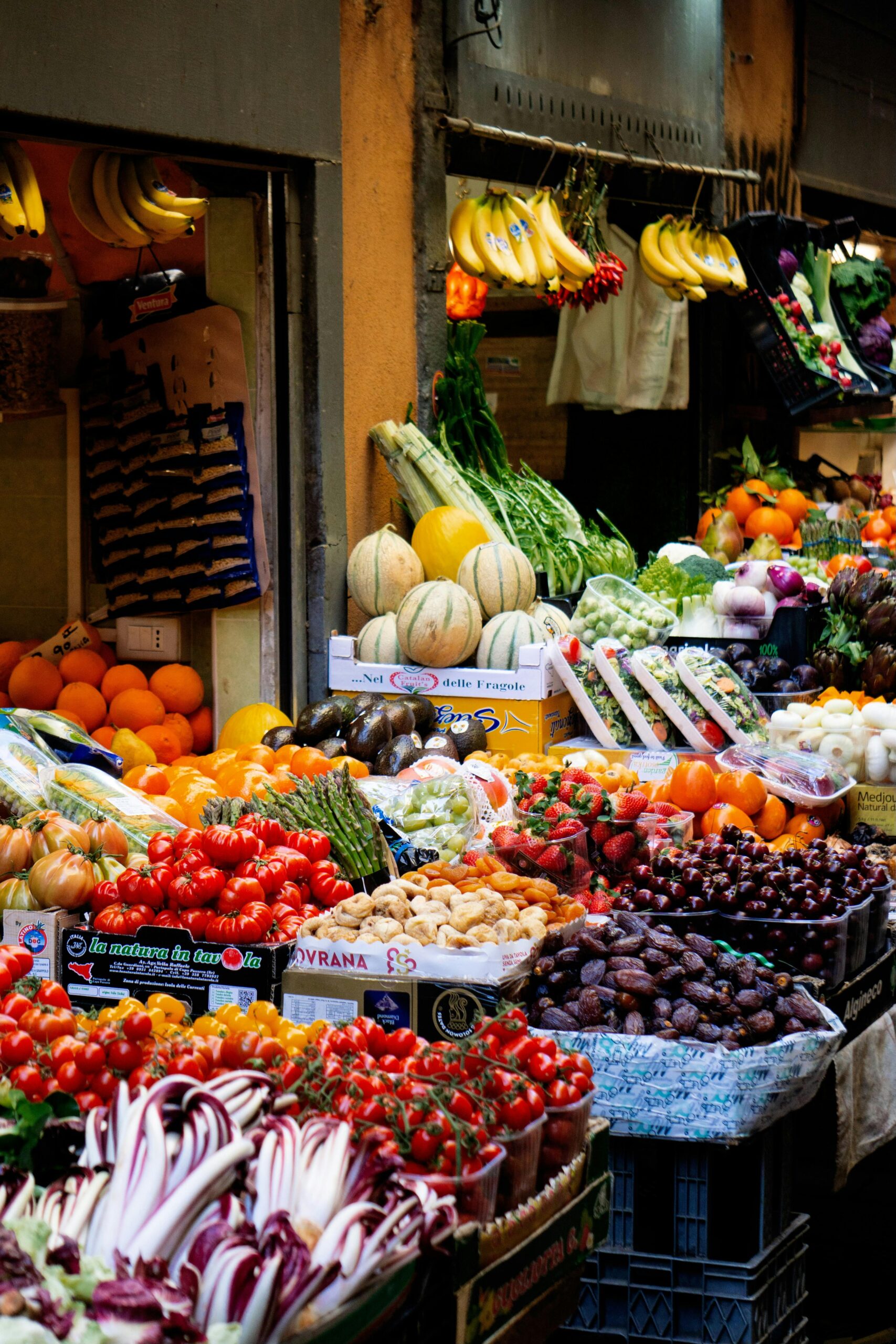
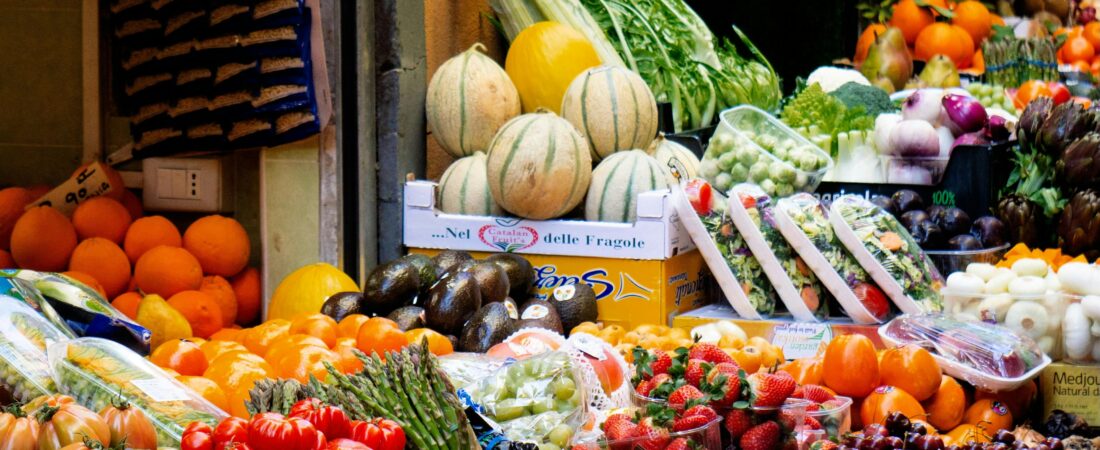
Rome’s food culture changes with the seasons. While many visitors focus on famous pasta dishes like carbonara or cacio e pepe, locals know that Roman cooking is deeply connected to fresh seasonal ingredients. Markets, restaurants, and family kitchens adapt throughout the year, using produce that is naturally available and at its best.
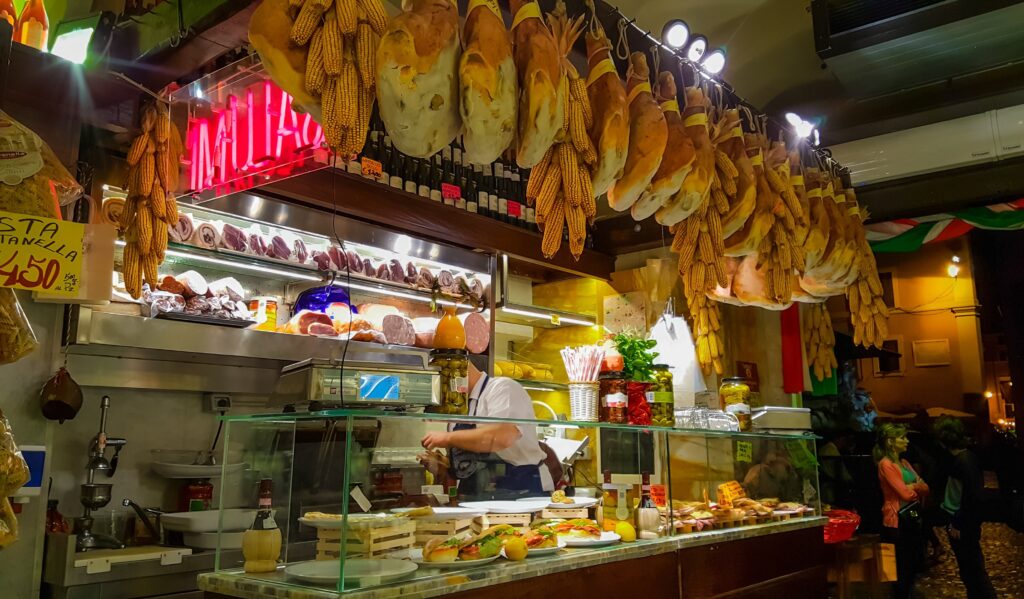
For travelers who want an authentic food experience, understanding seasonal food in Rome can completely change the way you eat in the city.
Spring in Rome: Artichokes, Peas, and Fresh Flavors
Spring is one of the best times for food lovers to visit Rome. As the weather becomes warmer, markets fill with lighter and fresher ingredients.One of the most important spring vegetables in Rome is the artichoke. Roman artichokes are famous across Italy, especially the variety grown in nearby Lazio.
Two classic dishes dominate restaurant menus during this season:
- Carciofi alla Romana — artichokes stuffed with herbs and slowly braised
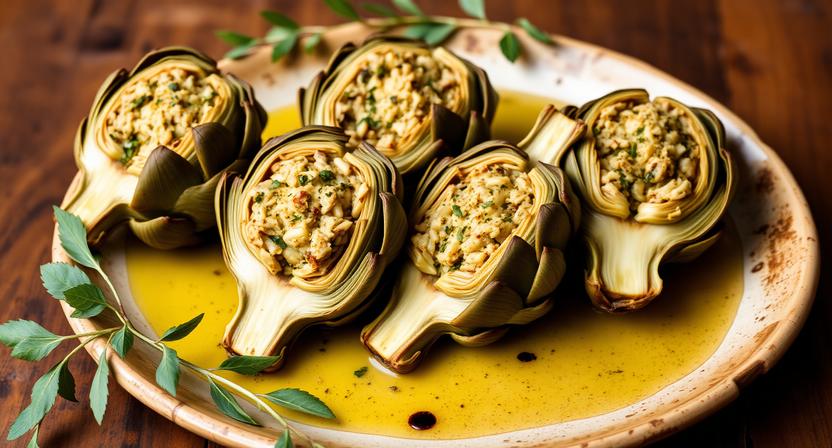
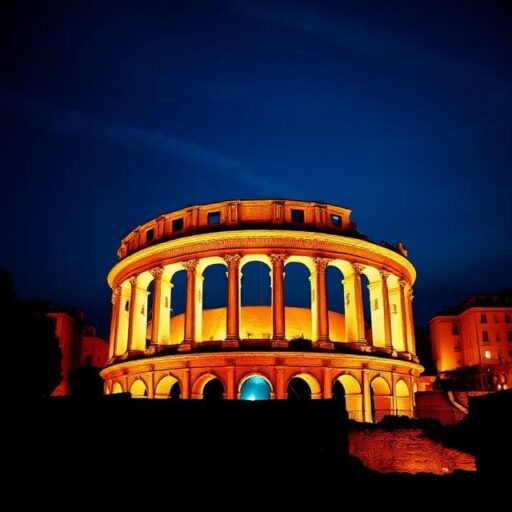
Some images (like that one) are AI generated for illustrative purposes
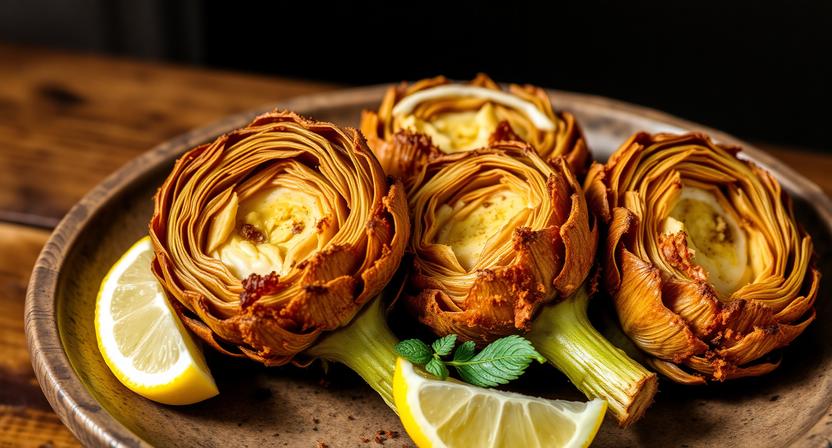
- Carciofi alla Giudia — crispy fried artichokes from Rome’s Jewish culinary tradition
Fresh peas, fava beans, asparagus, and zucchini flowers also become popular in spring. Many Romans eat raw fava beans with pecorino cheese during outdoor gatherings and festivals.
Spring foods in Rome are usually simple, focusing on freshness rather than heavy sauces.
Summer in Rome: Light Dishes and Outdoor Dining
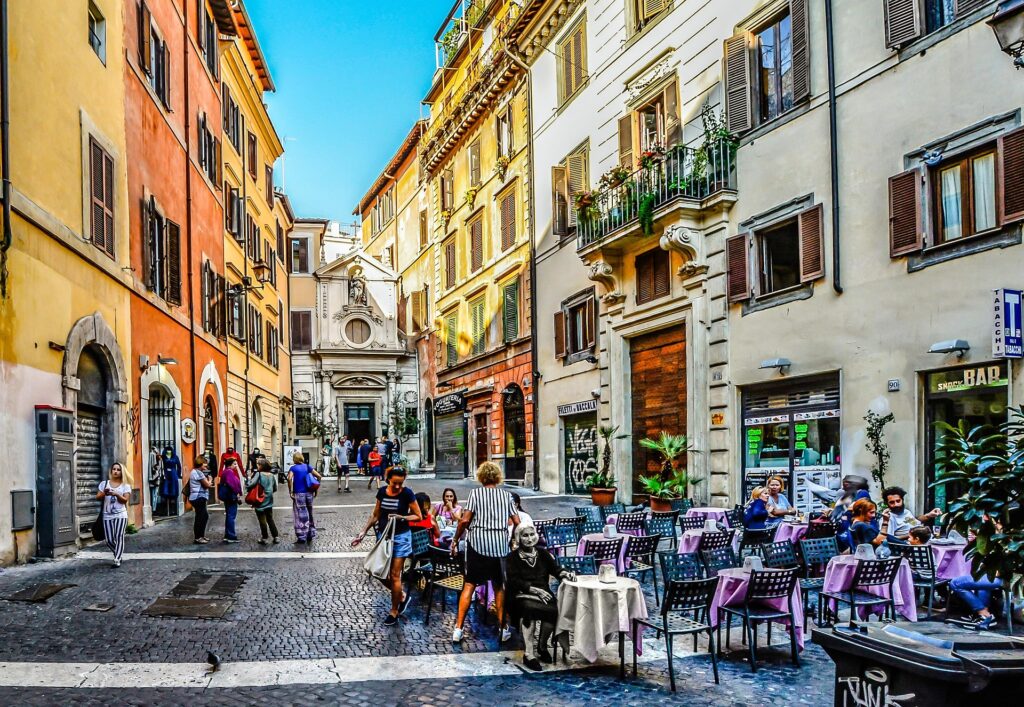
Summers in Rome are hot, often reaching temperatures above 30°C. Because of this, locals tend to prefer lighter meals and seasonal vegetables.
Popular summer ingredients include tomatoes, eggplants, peppers, zucchini, and fresh basil.
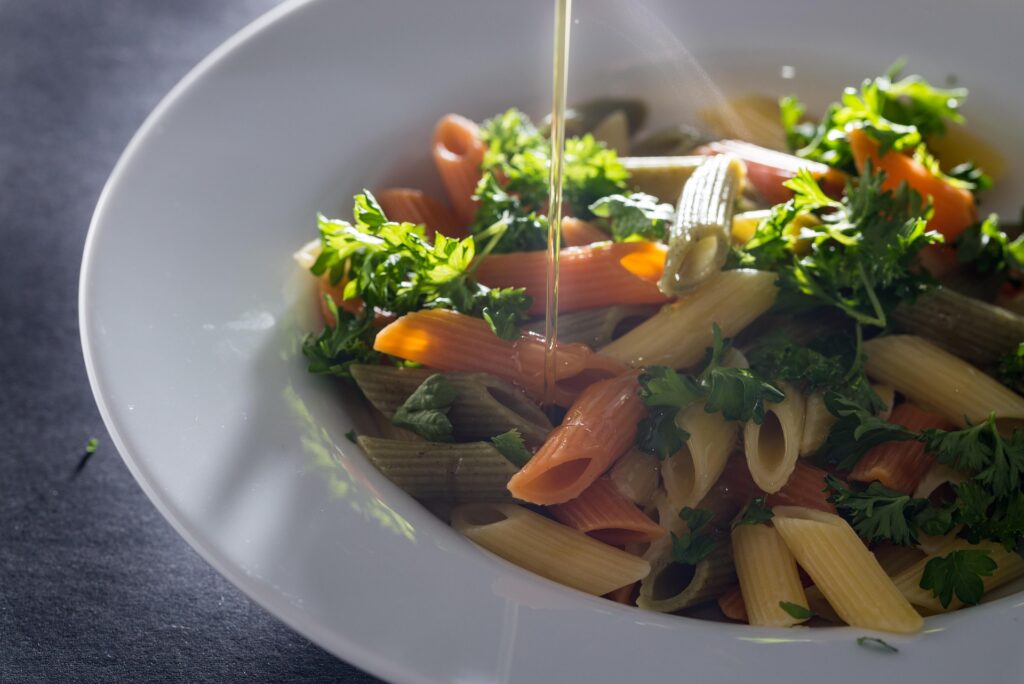
Many Roman dishes during summer are vegetable-based. Pasta is still common, but often served with lighter sauces made from fresh tomatoes and olive oil.
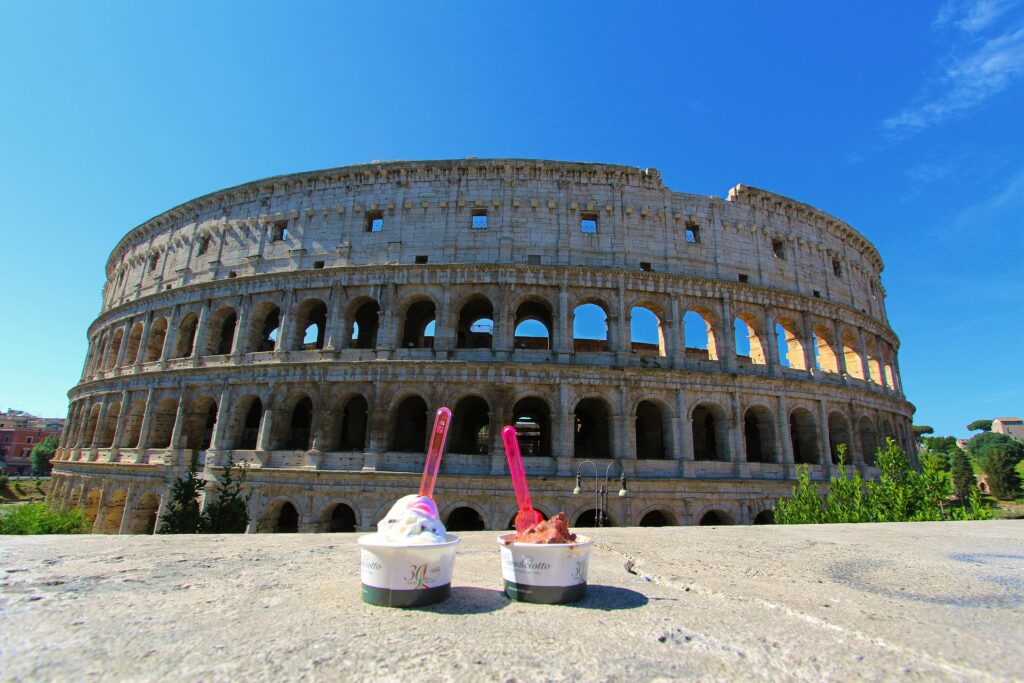
Gelato becomes part of daily life during summer, especially in the afternoon heat. Romans also spend more time dining outdoors in piazzas and neighborhood restaurants.
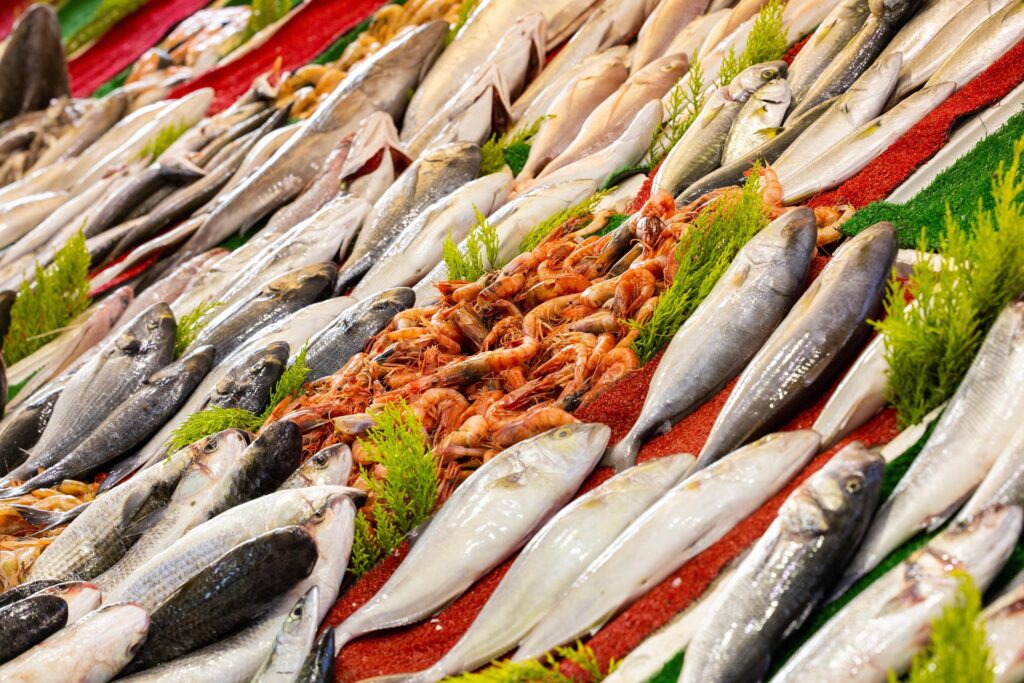
Seafood dishes become more common as well, particularly in restaurants serving coastal Lazio cuisine.
Autumn in Rome: Mushrooms, Truffles, and Comfort Food
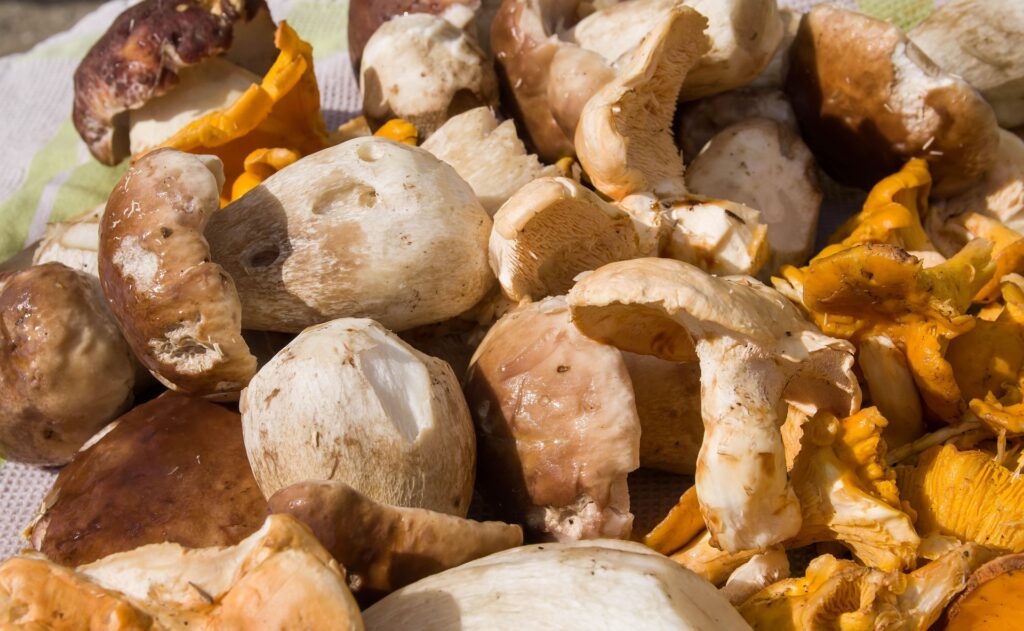
Autumn brings cooler temperatures and richer flavors. Porcini mushrooms appear on menus across the city, often served with pasta or grilled meat.
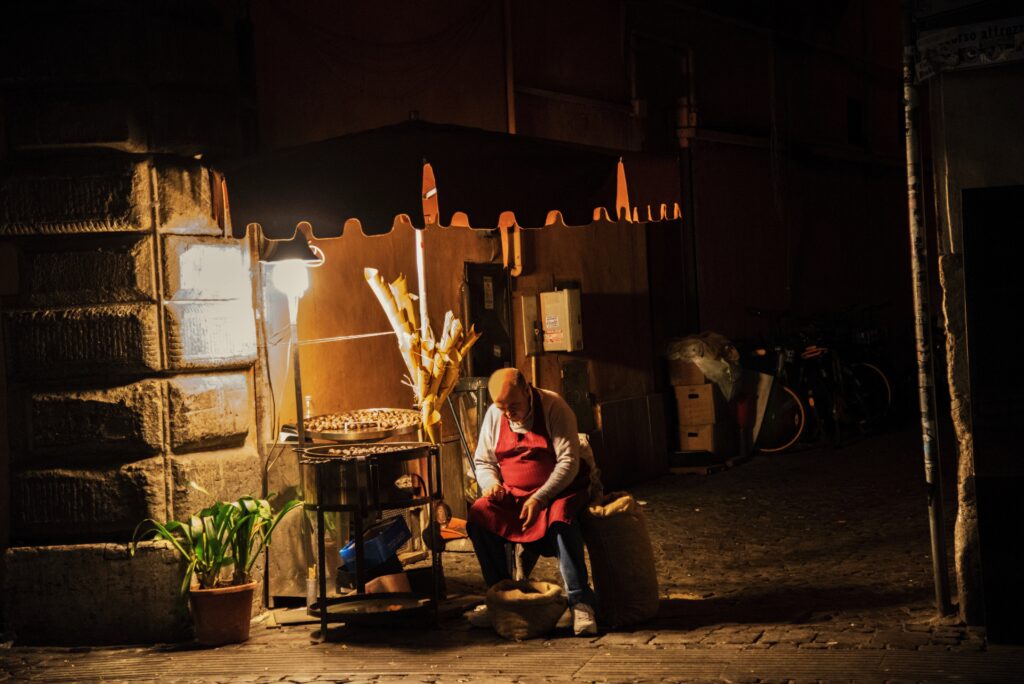
Chestnuts are sold by street vendors, especially during October and November.
Seasonal greens like puntarelle and radicchio are incorporated into salads and side dishes.
Roman kitchens embrace heartier meals in autumn, with slow-cooked meats, legumes, and rustic soups taking center stage. Comfort food, such as pasta e fagioli (pasta with beans) or stewed vegetables, warms both body and soul as the days grow shorter.
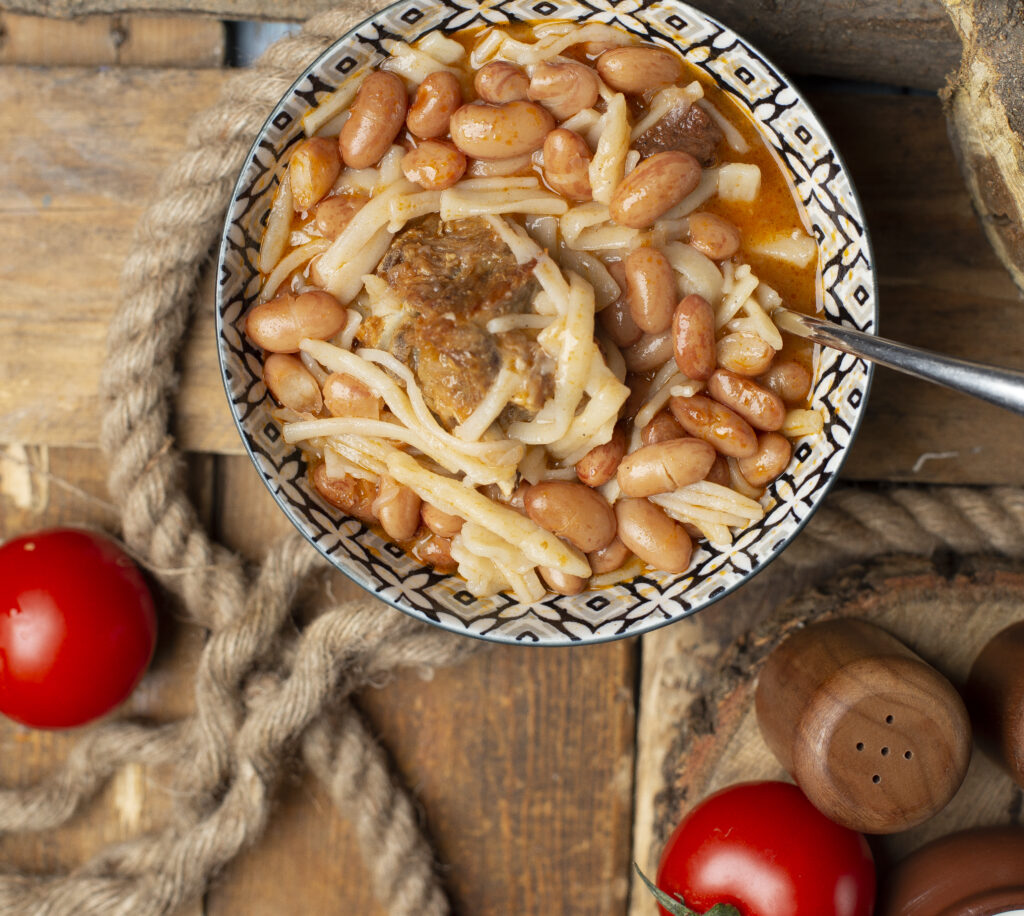
Pasta e fagioli
Winter in Rome: Hearty Dishes and Festive Flavors
Winter in Rome is cooler and often rainy, making it the perfect season for rich, comforting dishes. Root vegetables, cabbage, and citrus fruits become widely available.
Classic winter dishes include:
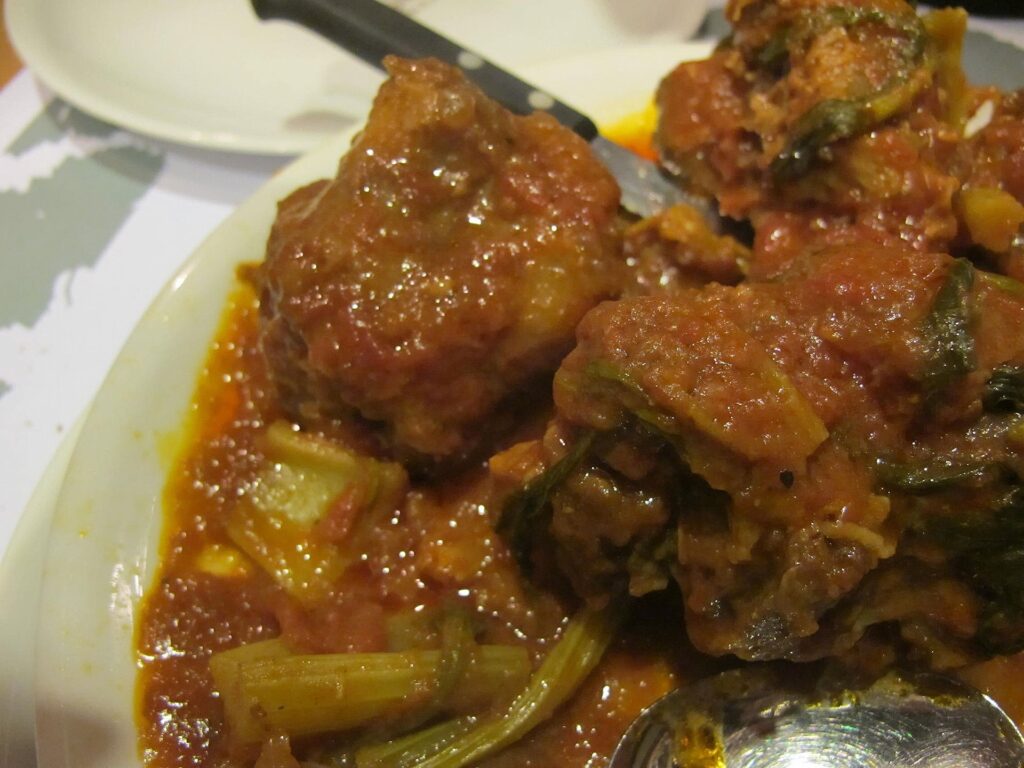
- Coda alla Vaccinara — slow-cooked oxtail stew with vegetables
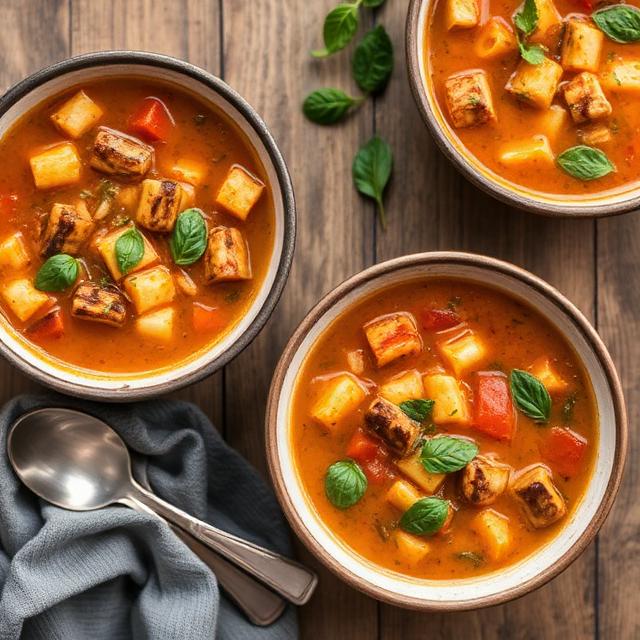
- Ribollita-style soups — hearty vegetable and bean soups inspired by central Italian traditions
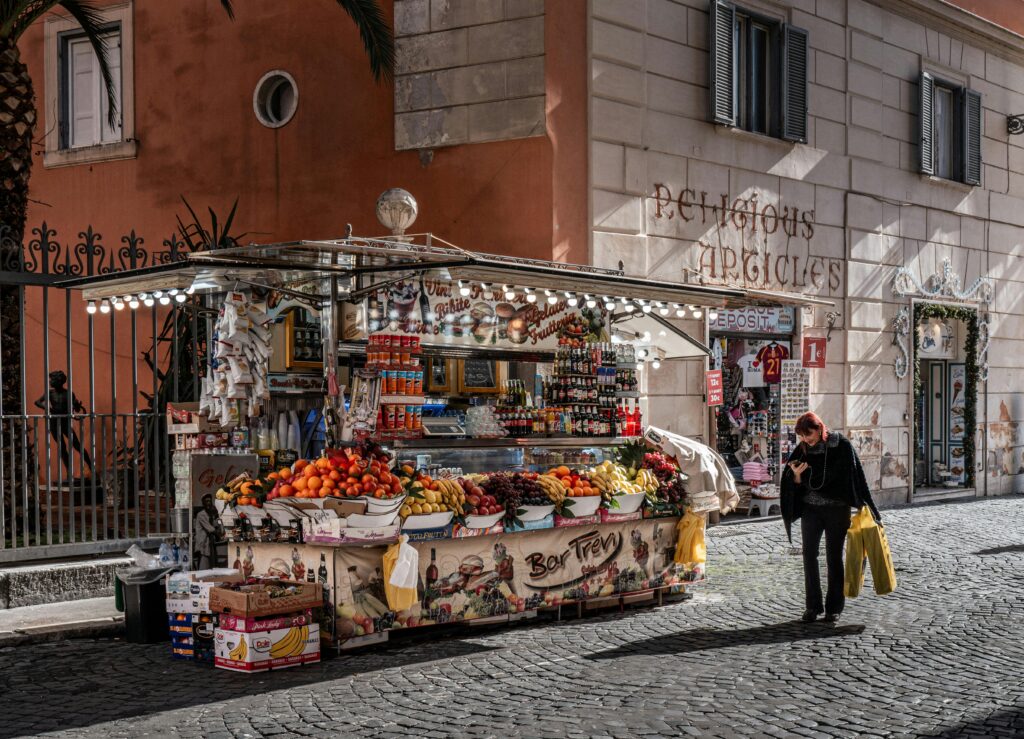
Citrus fruits like oranges and mandarins are at their peak, often eaten fresh or used in desserts. Seasonal markets brim with chestnuts, artichokes, and hearty greens like broccoli rabe.
Festive foods appear around Christmas and New Year, including panettone, torrone, and special pasta dishes for celebrations. Hot chocolate and mulled wine are popular to warm up on cold evenings.
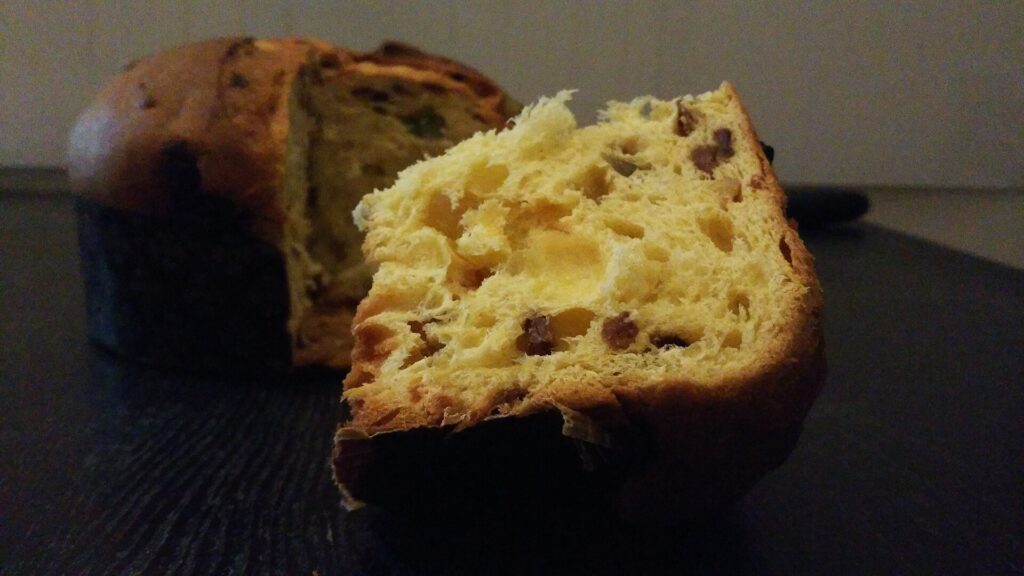
Panettone
Seasonal Eating in Rome
Exploring Rome through seasonal food offers a deeper connection to the city’s culture and traditions. From spring artichokes and summer tomatoes to autumn chestnuts and winter comfort dishes, each season brings unique flavors to local markets and restaurants.
Visitors who follow the seasons can experience Roman cuisine at its most genuine, where dishes reflect what is fresh, local, and traditionally prepared throughout the year.